Malone EcoLight 2 Boat Kayak Trailer Package
✓#1 Authorized Malone Dealer
✓ Lowest Price Guaranteed
✓ FREE & FAST Shipping: In Stock & Ready to Ship
✓ Questions? Call a Malone Expert: 1-844-987-5777
✓#1 Authorized Malone Dealer
✓ Lowest Price Guaranteed
✓ FREE & FAST Shipping: In Stock & Ready to Ship
✓ Questions? Call a Malone Expert: 1-844-987-5777
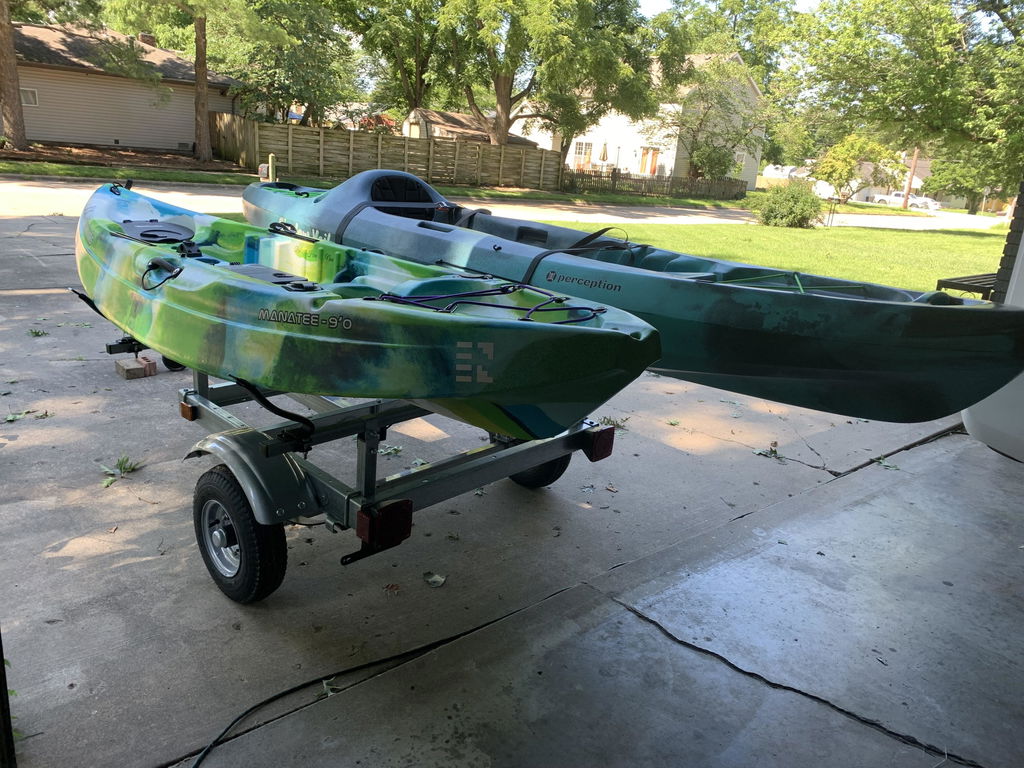
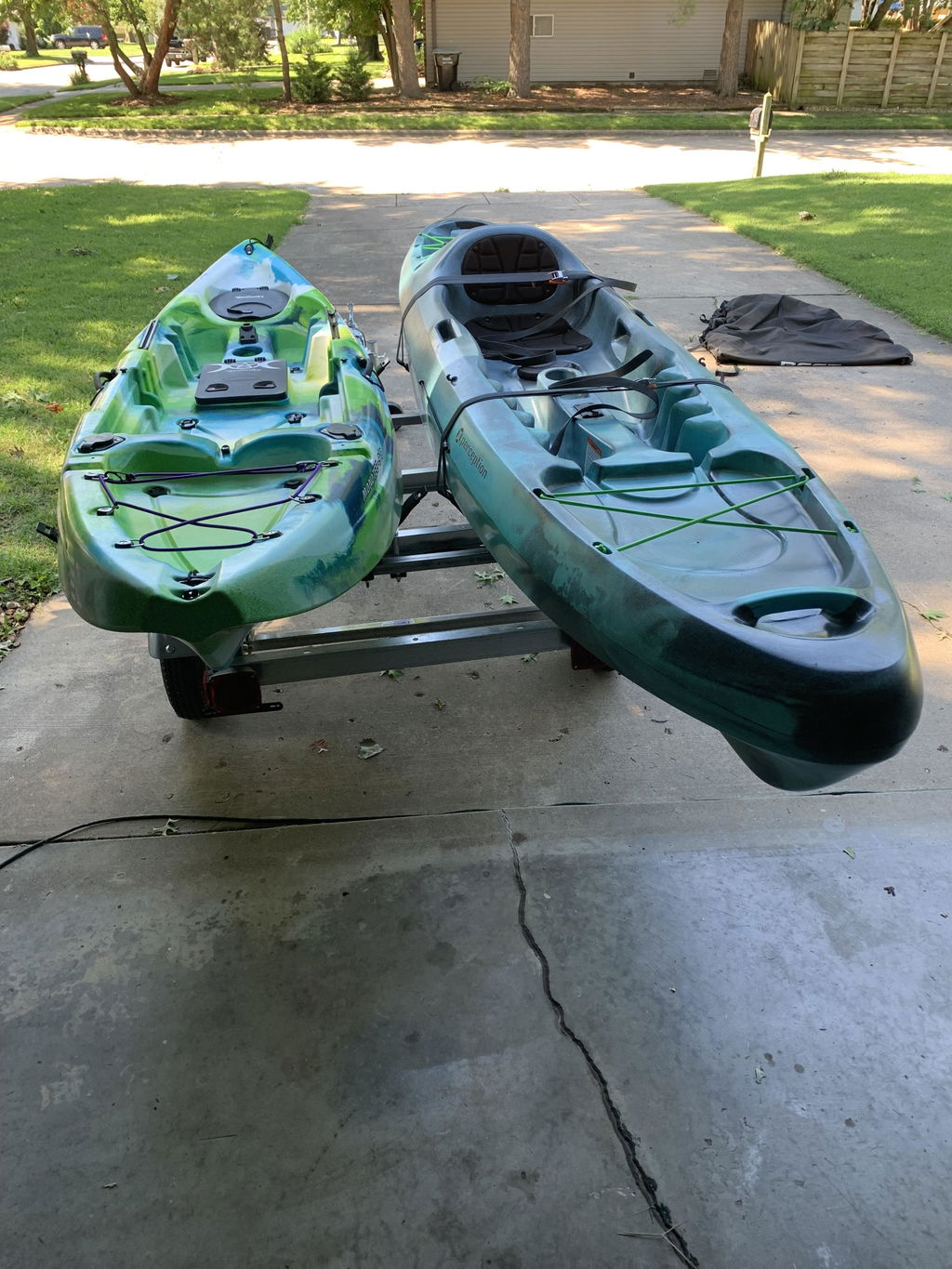
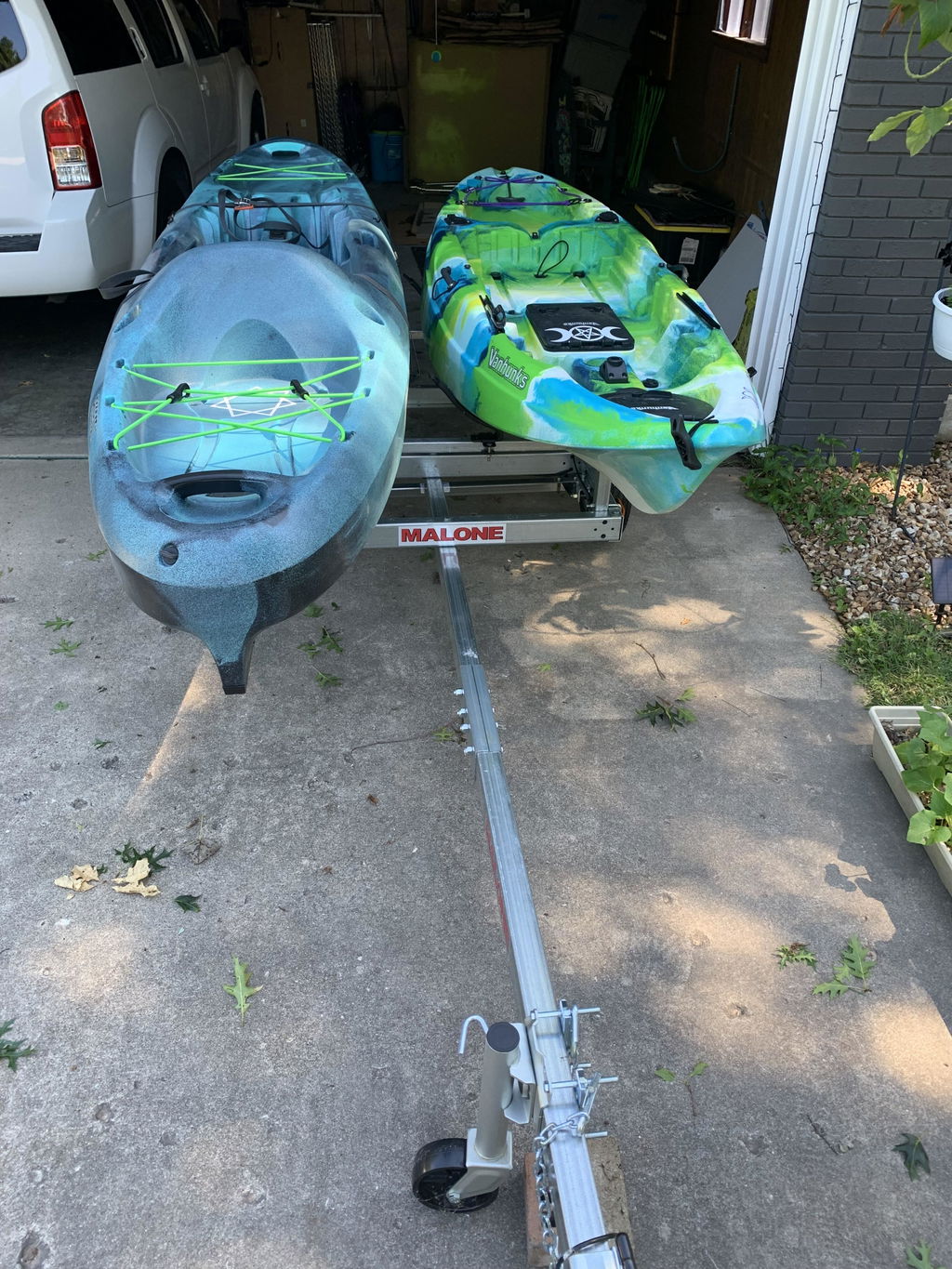
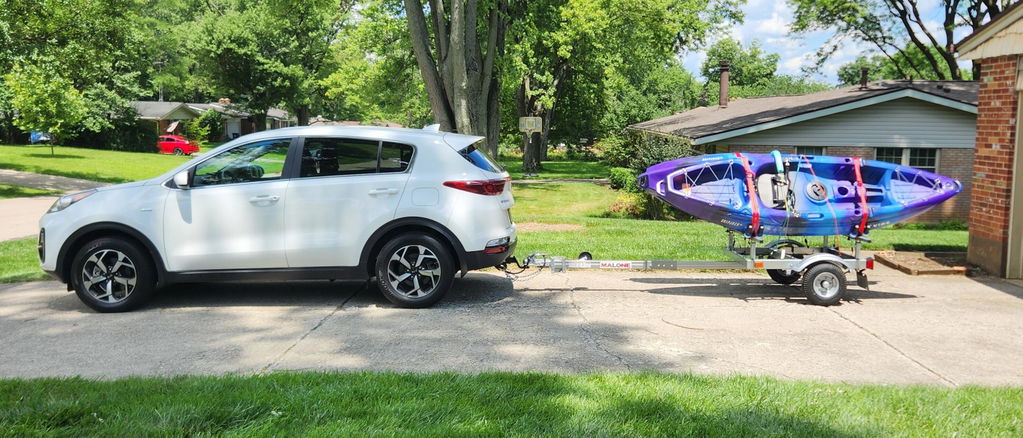
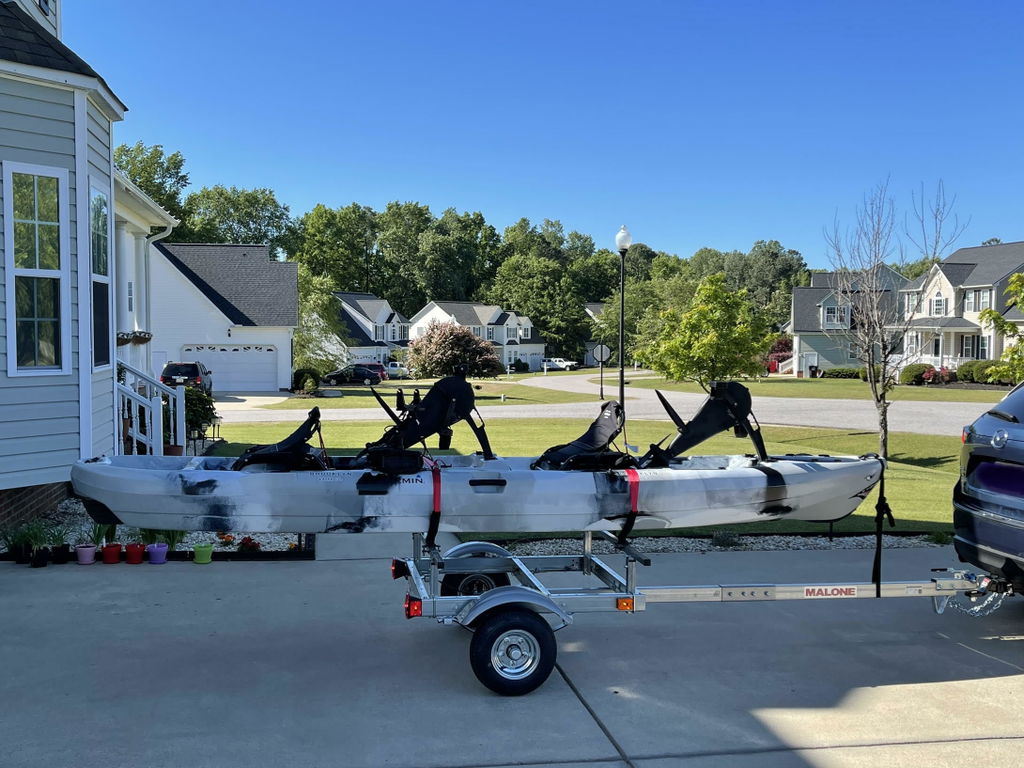
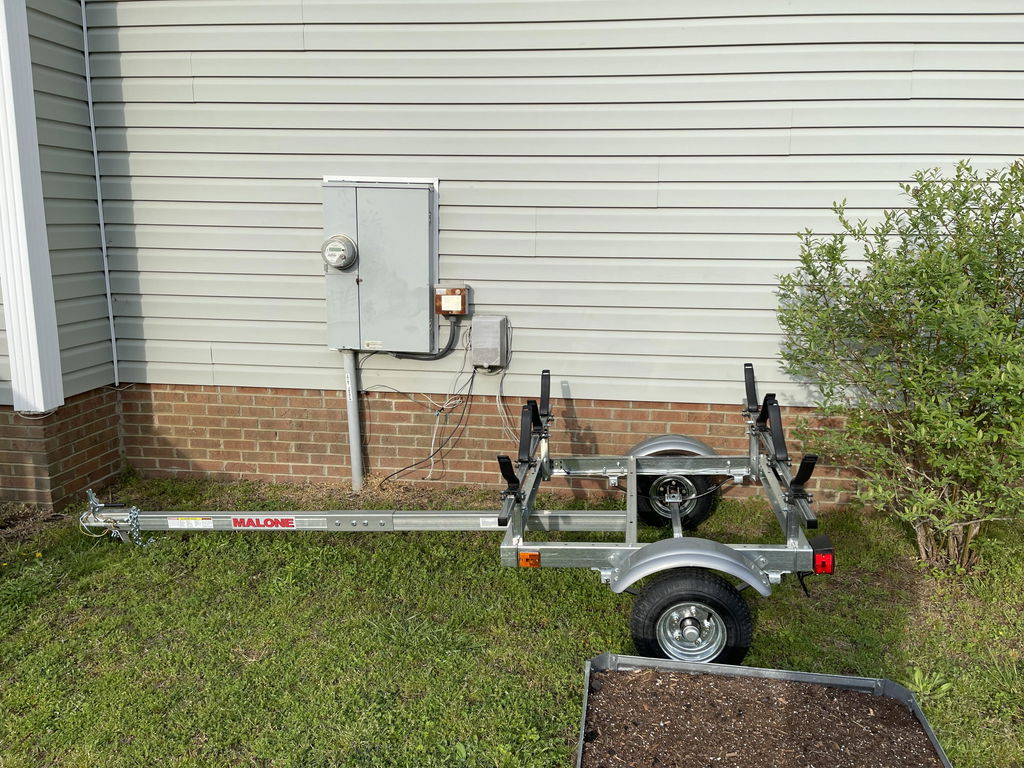
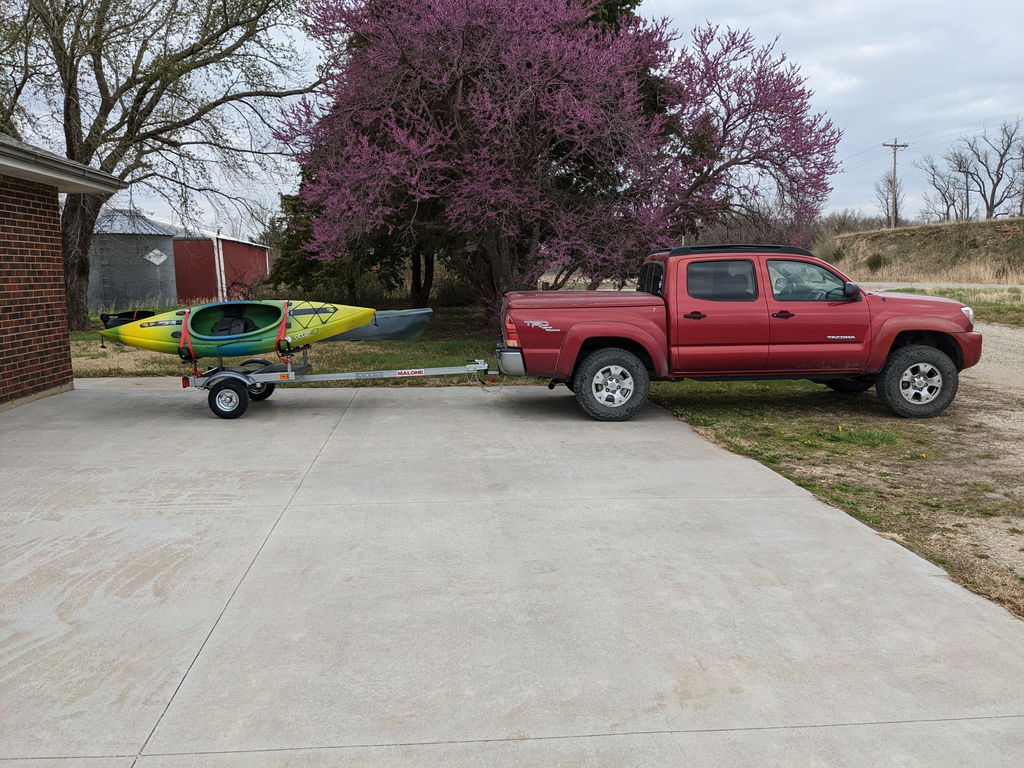
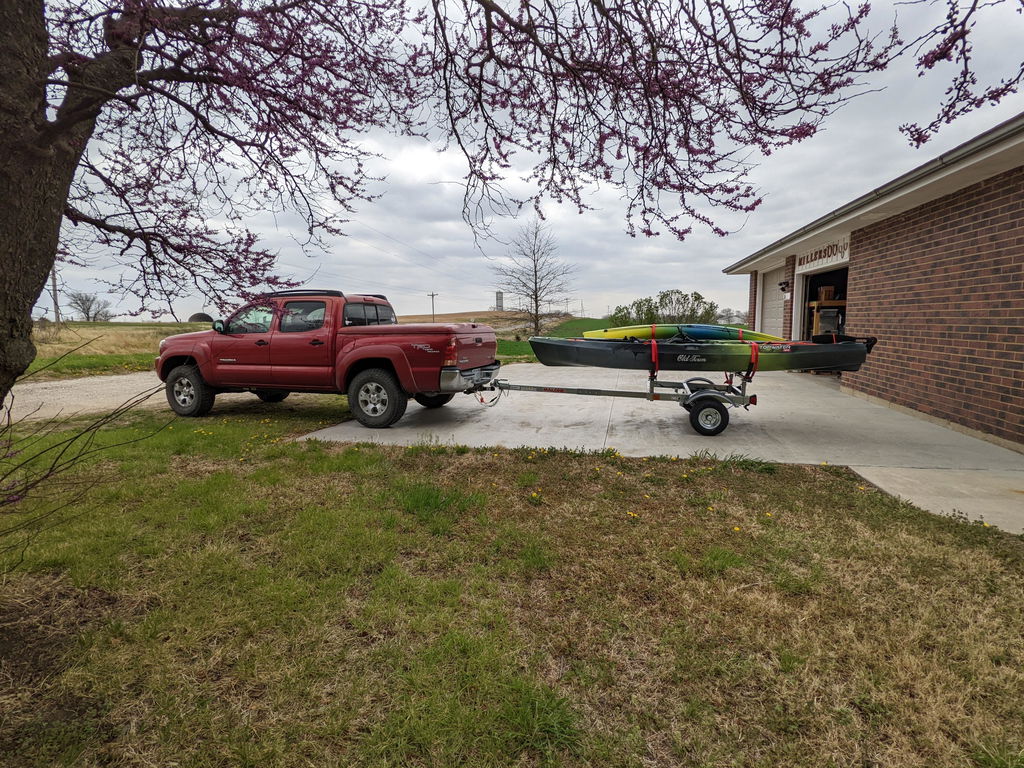
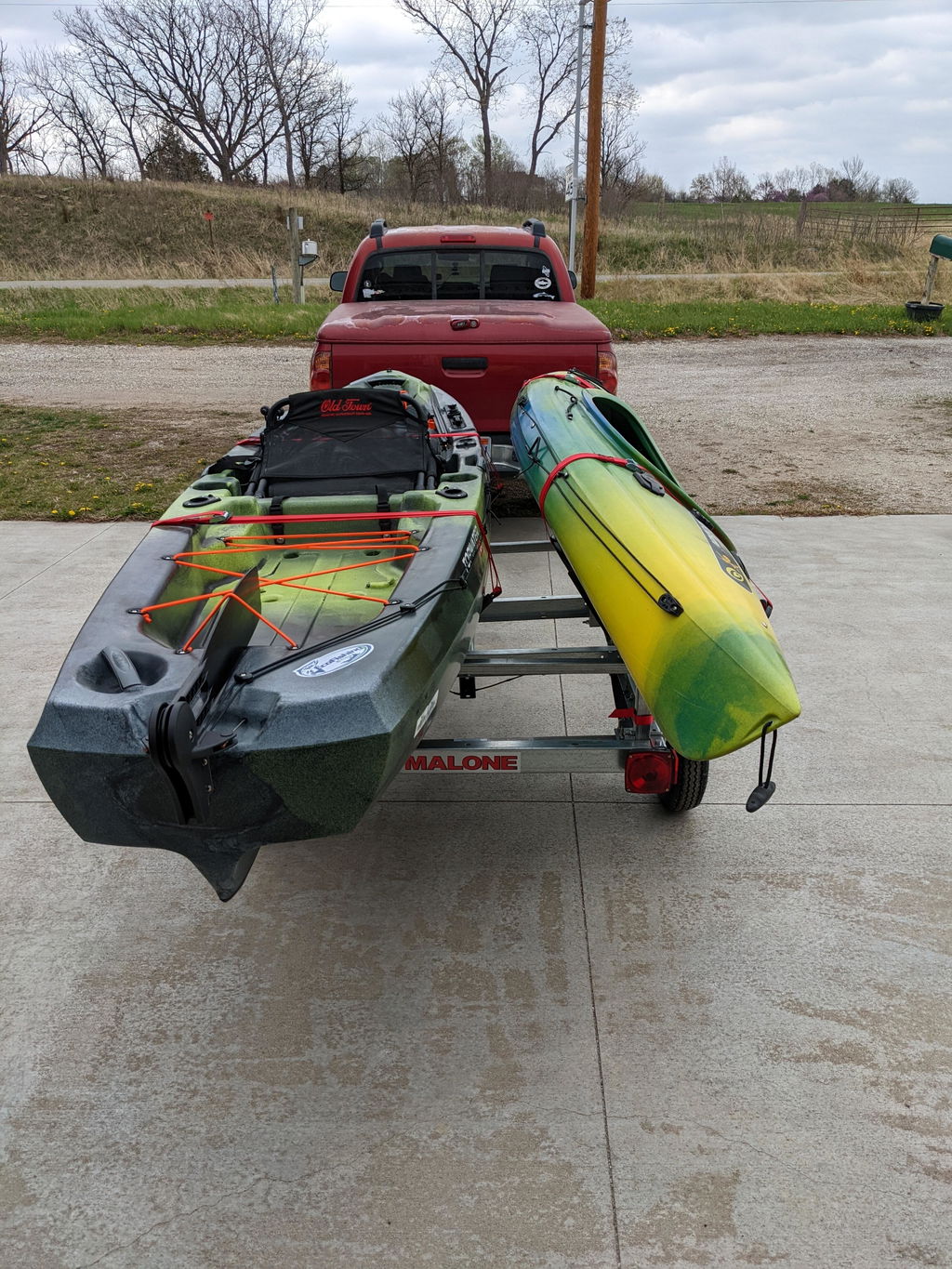
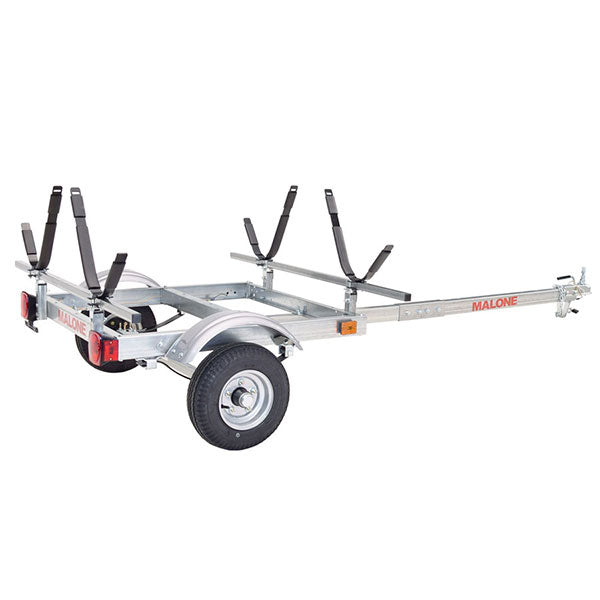
The EcoLight™ Sport Trailer, when bundled with a Malone carrier system, provides an excellent choice for safe and affordable kayak transport. We offer a selection of four different trailer/carrier packages to carry one, two or four kayaks.
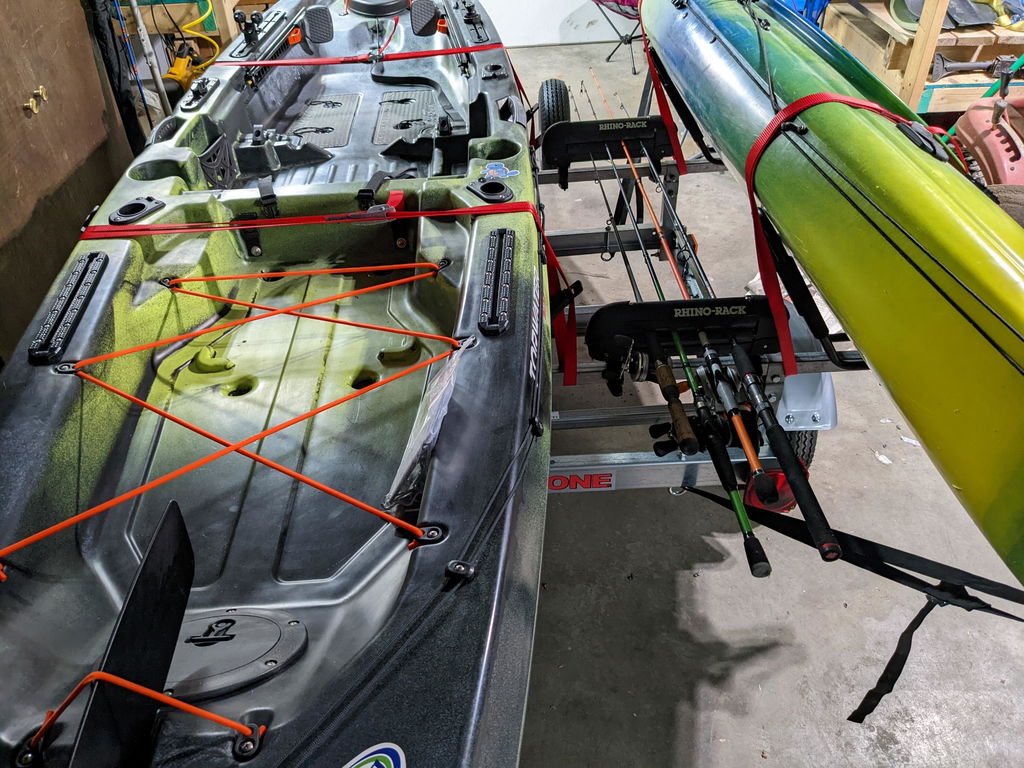
The J-Racks EcoLight™ Package is designed to carry two medium sized touring or recreational kayaks. Each trailer comes with two sets of J-style kayak carriers that work best with traditional V-style hulls.
The V-Racks EcoLight™ Package is designed to carry two sit-inside or two sit-on-top recreational kayaks. Each trailer comes with two sets of V-style kayak carriers that work best with traditional V-style hulls and some non-traditional pontoon style hulls.
Each unit is DOT and Transport Canada certified and proudly built in the USA for years of dependable use. The EcoLight trailer is rated for travel up to 65 mph while transporting loads within its 400-pound limit. Features a reinforced extra-long tongue, 58" wide steel load bars, molded fenders, 8" high-speed tires and a 2" receiver with lift handle. All parts and workmanship are guaranteed with a Five Year Limited Warranty. Assembles in 3-5 hours with common shop tools. Detailed assembly instructions included.

You get the EcoLight Sport Trailer plus two sets of kayak carriers, with mounting hardware and load straps for both. The trailer side covers two wheels and tires, the two-piece extended tongue, DOT-approved lighting and bearings, a pre-tested electrical system, pre-fitted chassis components, 58-inch coated steel load bars, molded fenders, and the manual with registration paperwork.
Which carriers arrive depends on the style you select at checkout. The package is built around two medium-sized touring or recreational kayaks.
It comes down to your hulls. The J-Rack version carries two medium touring or recreational kayaks on their side in padded J-cradles, which frees up bar space and suits traditional V-shaped hulls.
The V-Rack version carries two sit-inside or sit-on-top recreational kayaks in V-style cradles. It handles traditional V hulls and copes with some non-traditional pontoon-style bottoms that a J-cradle supports poorly.
If your boats are wide sit-on-tops, fishing hulls, or anything with a flat or tunnel-hull bottom, tell us the make and model before you order — hull shape matters more than length here, and we would rather get it right first time.
The trailer's 400-pound total rating is the limit, and it covers everything on the frame at once: both boats, both carrier sets, hardware, straps, paddles and any gear you add. Divide that budget across the whole load rather than treating it as a per-boat figure, and remember the carriers themselves consume part of it.
Carrier ratings do not stack on top of the trailer rating. Whichever number is lower in a given configuration — the trailer's total, a carrier's individual limit, or your tow vehicle's capacity — is the one that governs the trip.
The trailer is rated for canoes and kayaks up to 14 feet, and this package is aimed at two medium-sized touring or recreational boats. Beyond length, check beam and hull shape: two wide sit-on-tops can foul each other on 58-inch bars even when both are well within the length limit.
The bar spread is fixed at 38.5 inches, so the support points cannot be widened for a longer boat. Weigh your kayaks if you are not certain, allow for overhang, and contact our team if you want the combination checked before you commit.
The trailer coupler requires a 2-inch-diameter hitch ball, and the top of that ball should sit 14 inches from the ground so the trailer tows level. That is the trailer's side of the connection. The trailer uses a flat four-wire harness, so your vehicle needs a matching 4-pin connector or an adapter.
Your vehicle needs a hitch with a receiver, a ball mount that fits that receiver, and a 2-inch ball fitted to the ball mount. A receiver does not take a ball directly, and receiver size is a separate matter from ball diameter — a 2-inch ball does not mean you need a 2-inch receiver. Hitch, receiver, ball mount, ball and tow vehicle must each be rated for the loaded trailer, and the lowest rating in that chain governs.
Yes. The trailer and carriers arrive unassembled, and the trailer takes roughly three to five hours with common shop tools. The carriers mount to the load bars afterwards using the supplied hardware, and their own instructions cover positioning.
Expect components in more than one carton; box count and shipping method vary by configuration. Check everything against the parts lists before starting, keep the documentation envelope, and report anything missing or damaged to us promptly so we can act on it while the paperwork is fresh.
Set the carriers so the boats sit centered over the axle and balanced left to right, then leave enough gap between them that hulls and hardware do not contact each other on rough surfaces. Adjust carrier angle to match the hull rather than forcing the boat to match the carrier.
Strap each boat at the carrier contact points and add bow and stern lines for longer hulls. Recheck after the first few miles and at every stop. Straps relax as hulls settle, and that first check is the one that catches it.
Before each trip, check lights, coupler engagement and pin, crossed safety chains, lug nut tightness, tire pressure and tire condition, and every strap. Follow the wheel-bearing service schedule in your trailer's documentation, rinse everything with fresh water after salt water or road salt, and check the carrier mounting hardware periodically for anything that has worked loose.
Inflate to the Malone-recommended cold pressure for this trailer, 40 PSI, checked before towing while the tires are cold, and follow the trailer documentation and current manufacturer specification. A sidewall maximum is not the recommended operating pressure — read the sidewall for tire size, load range and maximum limits, not for the figure to inflate to.
The EcoLight is rated for travel up to 65 mph while carrying loads within its 400-pound limit. That is an equipment rating, not permission to exceed a lower posted limit or travel faster than road, weather, tire, loading or tow-vehicle conditions allow.
Treat that figure as a ceiling set by the equipment, then work down from it. Posted limits, local trailer rules, load, tire condition, crosswind, rain and the tow vehicle you are using all set lower limits in practice, and any of them can be the one that matters on a given day. Trailer speed rules vary by state and province, so check what applies where you are driving.
The trailer carries a five-year limited warranty on defects in materials and workmanship for the original retail purchaser, subject to the written exclusions. Normal wear, corrosion, accidents, misuse, overloading and problems traced to assembly errors are excluded, and no claim can be guaranteed in advance. Register with Malone within 30 days of purchase and hold on to your original receipt.
Warranty registration is a different thing from registering the trailer with your state. Titling, plates and inspection rules vary by state and province — your state motor vehicle agency is the authority on what your jurisdiction requires.