Skip to content
Key Differences of Sit-On-Top Fishing Kayaks and Sit-in Kayaks

Key Differences of Sit-On-Top Fishing Kayaks and Sit-in Kayaks

There are two main types of kayak styles: Sit-in and sit-on-top. These two types of kayaks differ greatly in their performance, features and application. Knowing the difference can play a huge role in your experience on the water as well as your safety. Let's break down the two types and look at some of the key differences.


Sit-In vs. Sit-On-Top Fishing Kayaks Defined

Sit-in Kayak

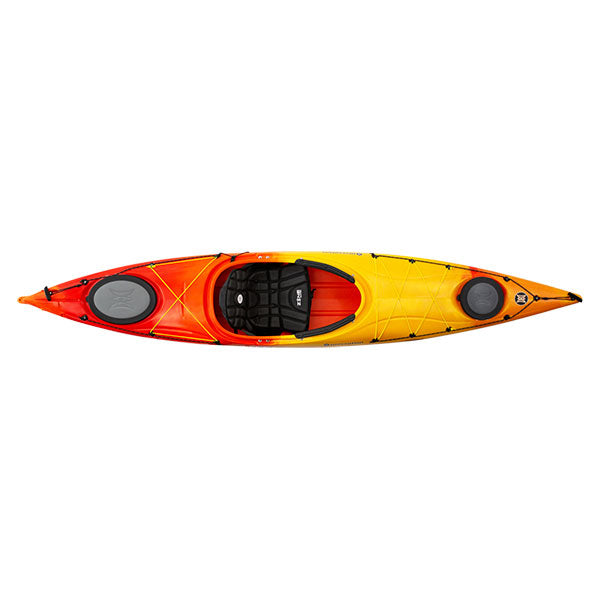
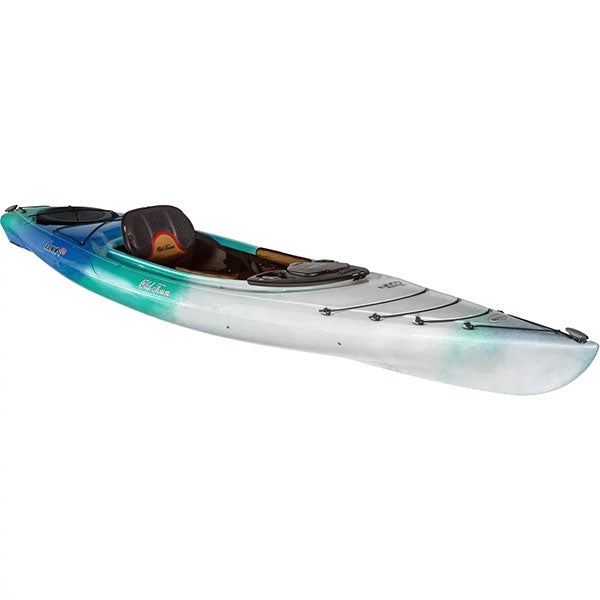
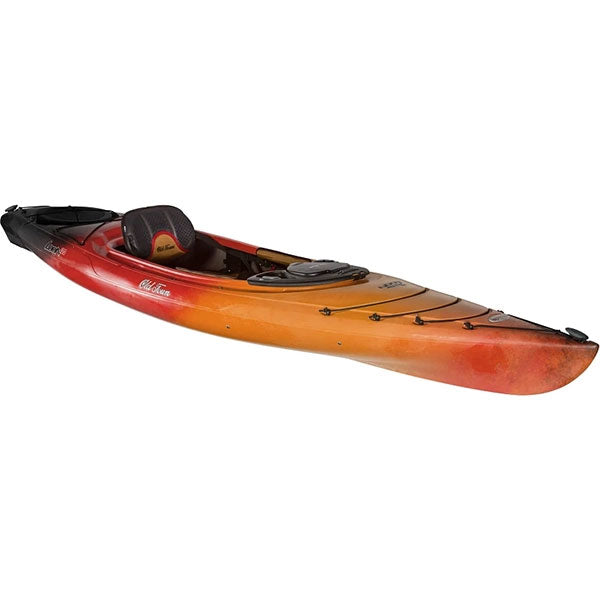
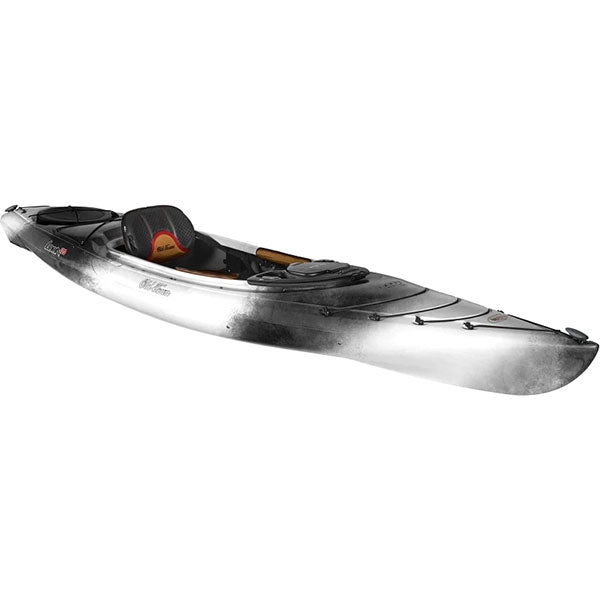
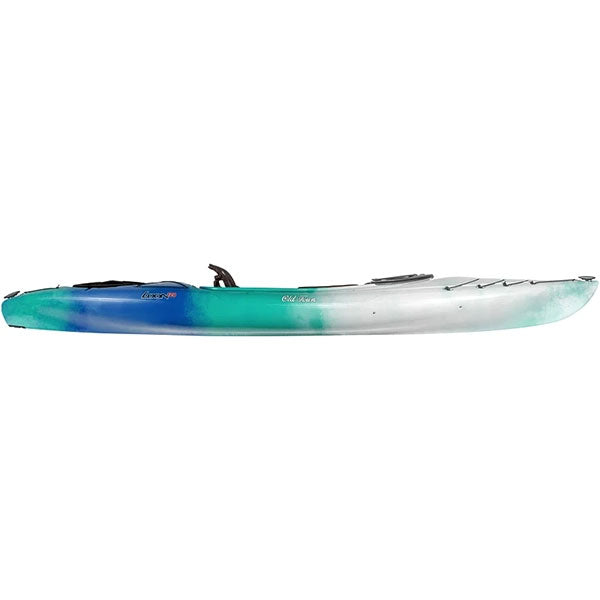
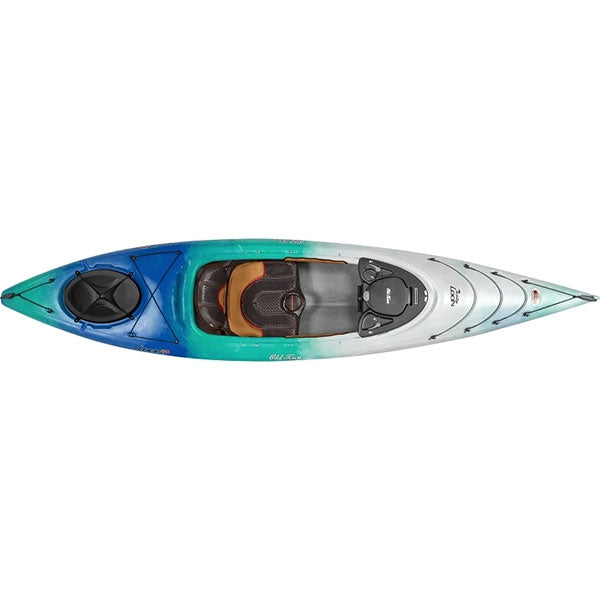
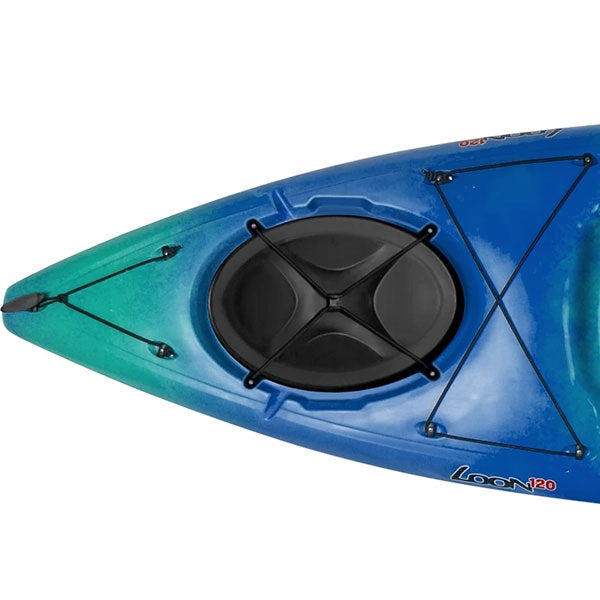
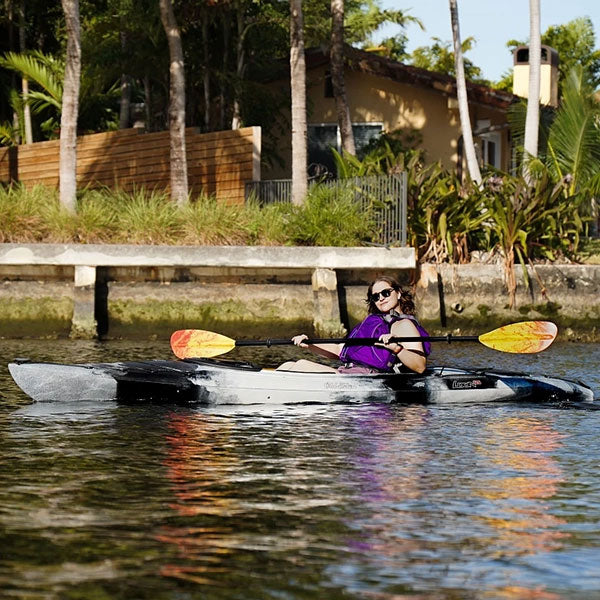
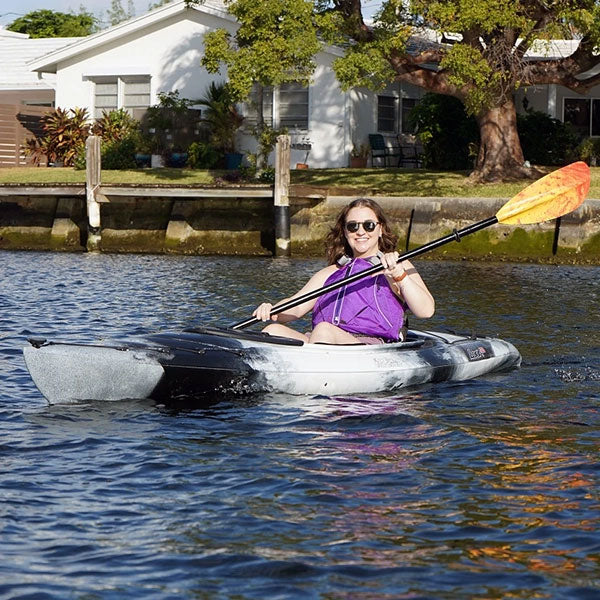
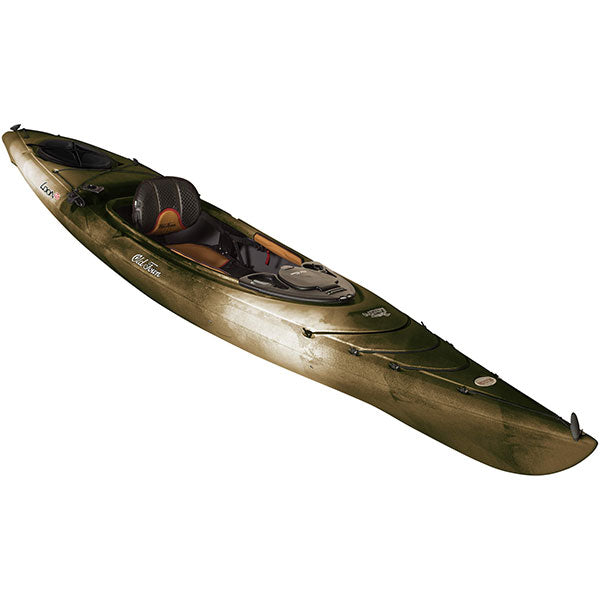
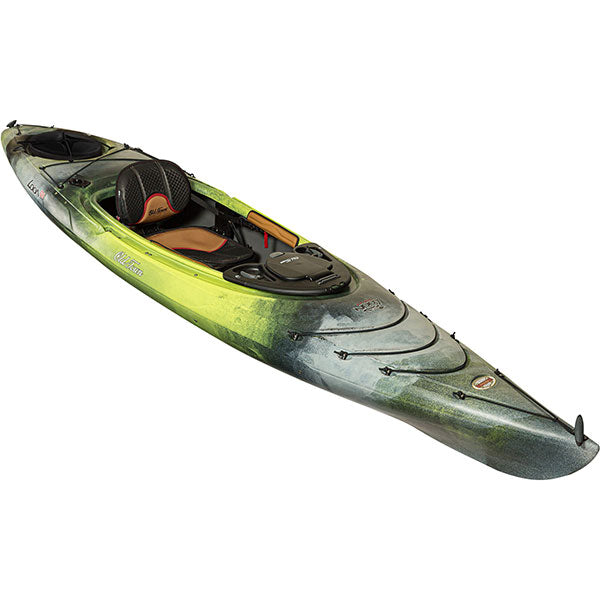
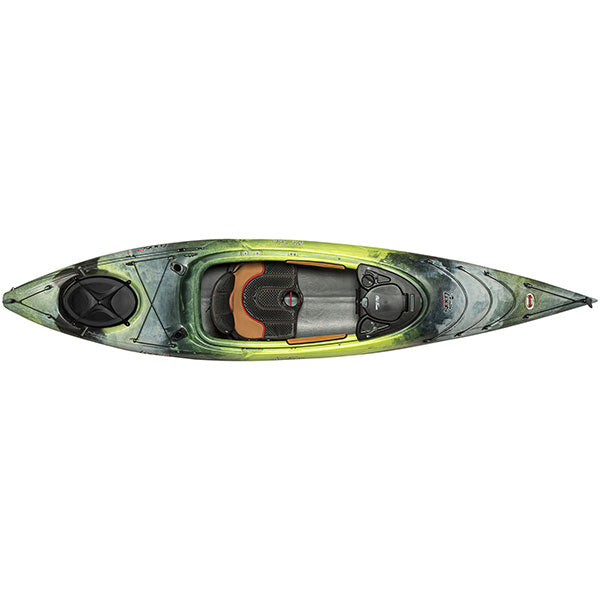
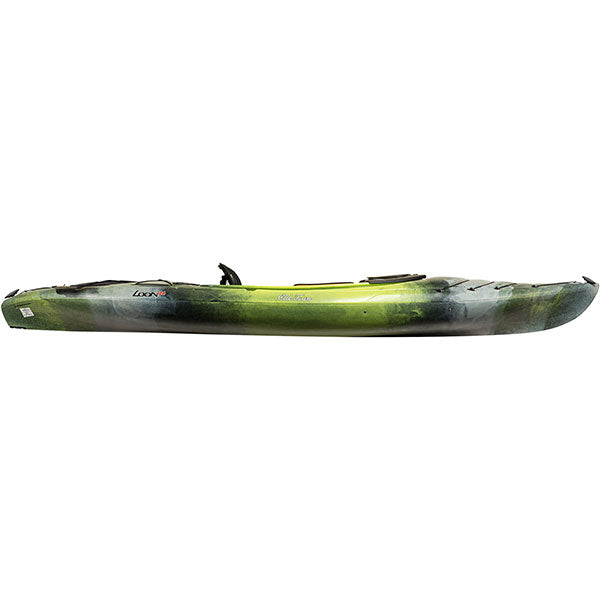
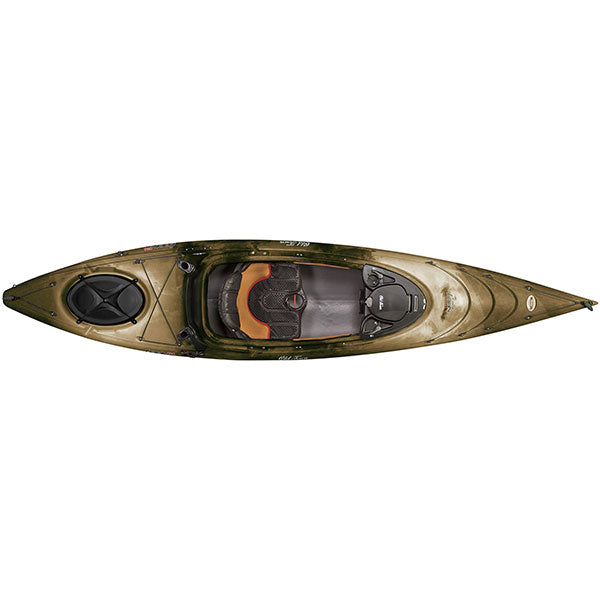
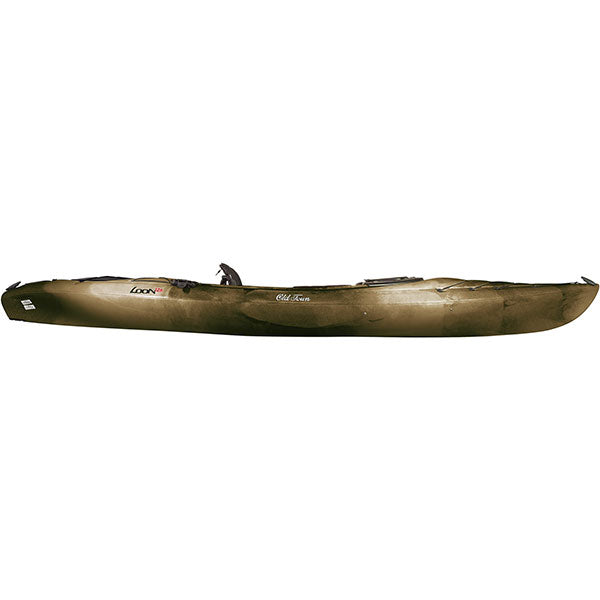
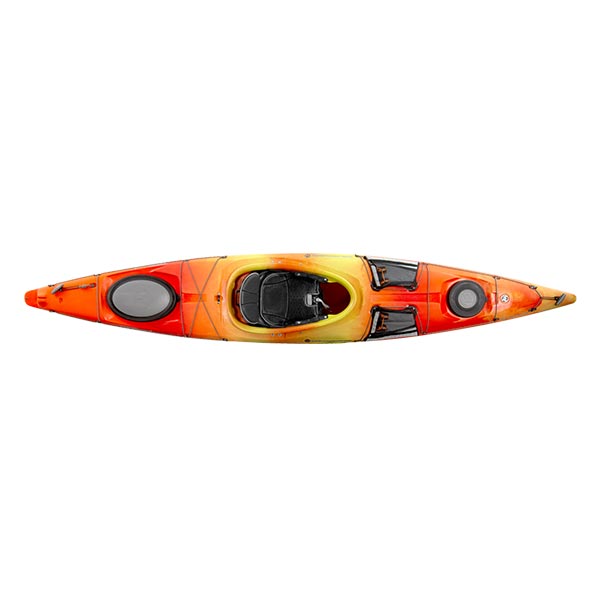
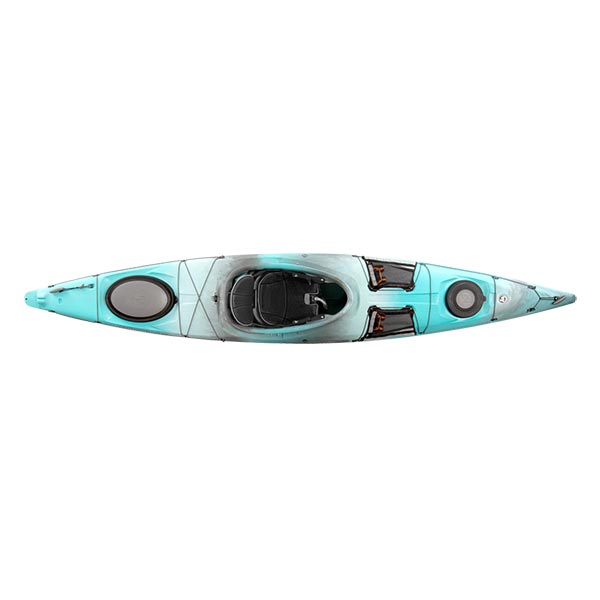
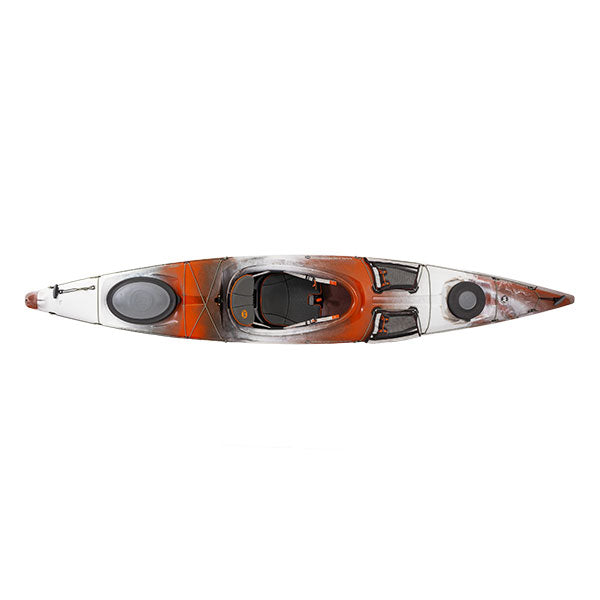
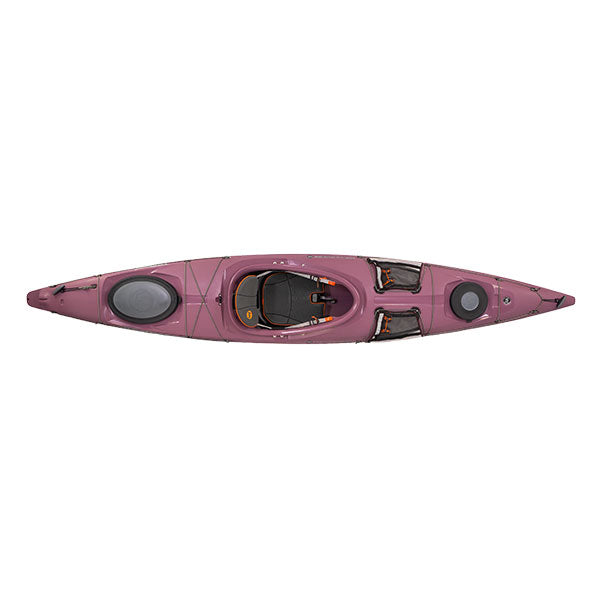
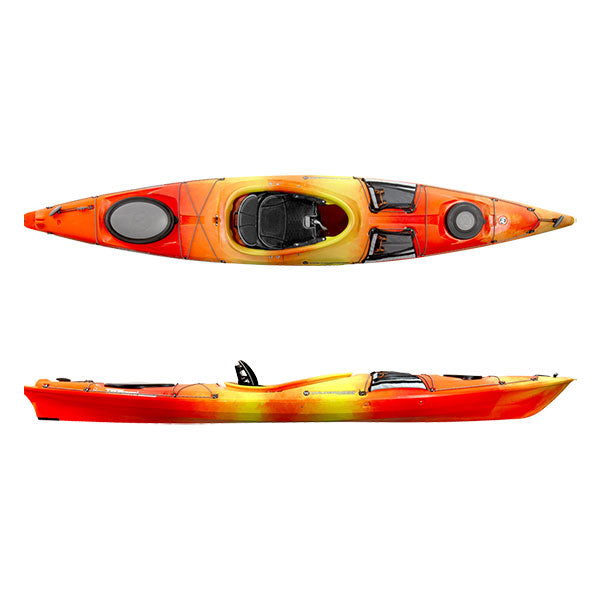
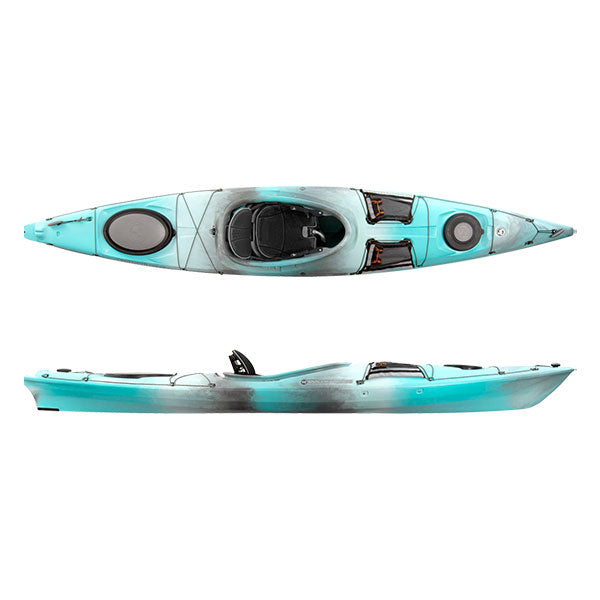
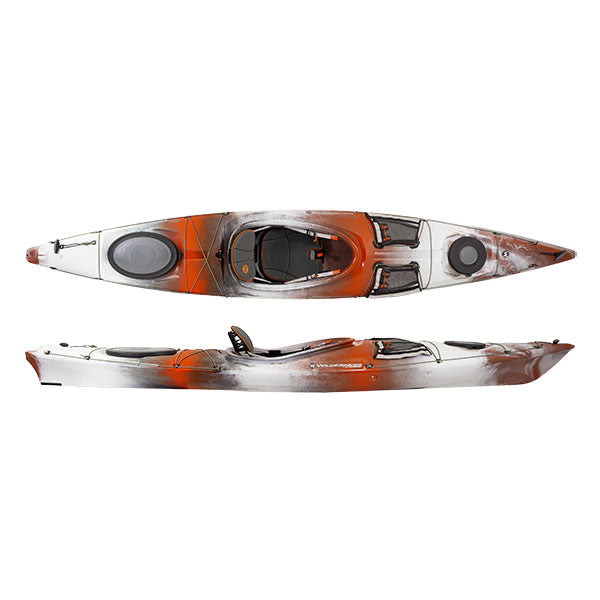
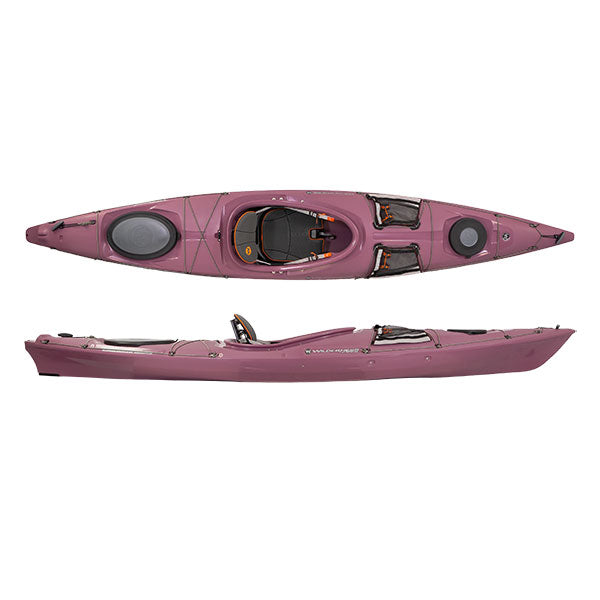
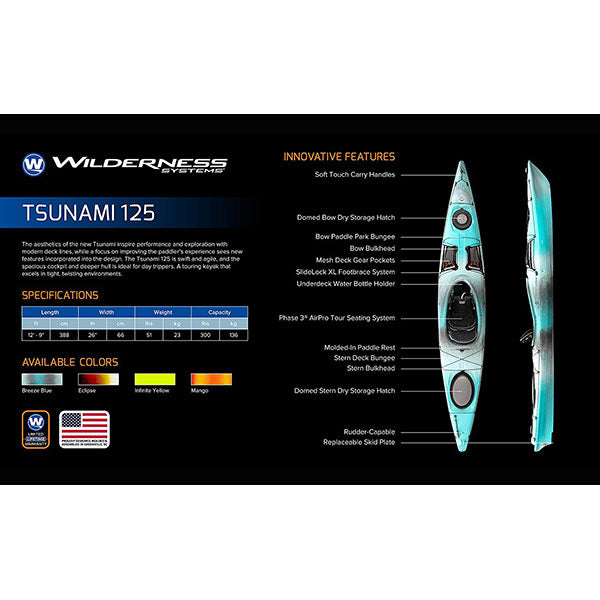
A sit-in fishing kayak has an enclosed cockpit where the paddler sits inside the hull. This design provides better protection from the elements and allows for a lower center of gravity, which can improve stability and efficiency when paddling.


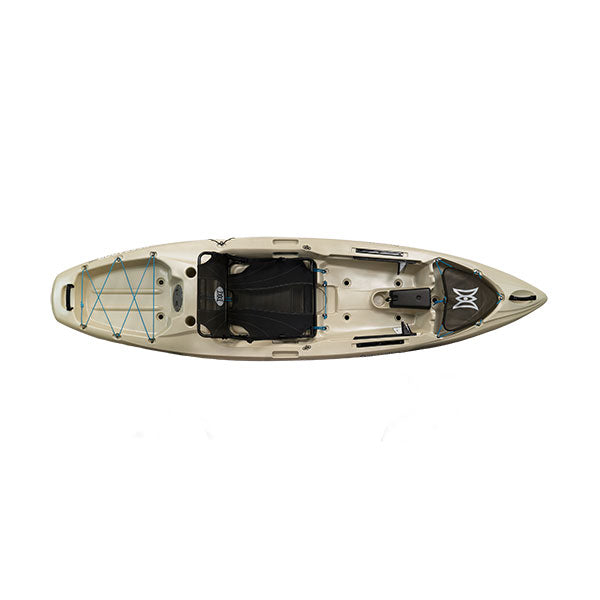
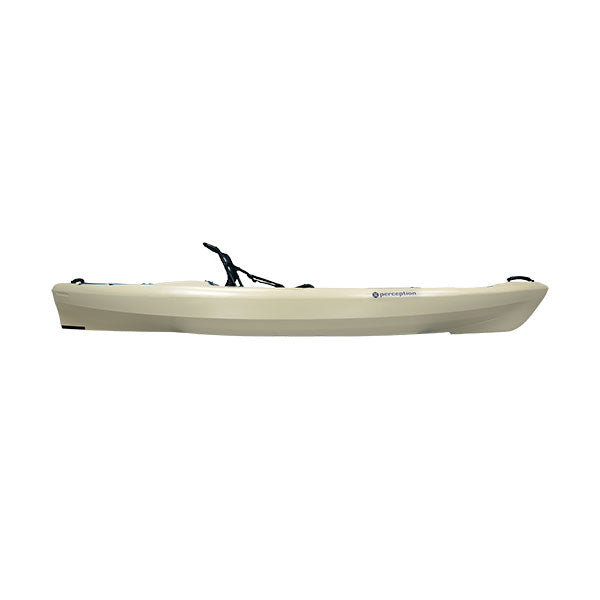
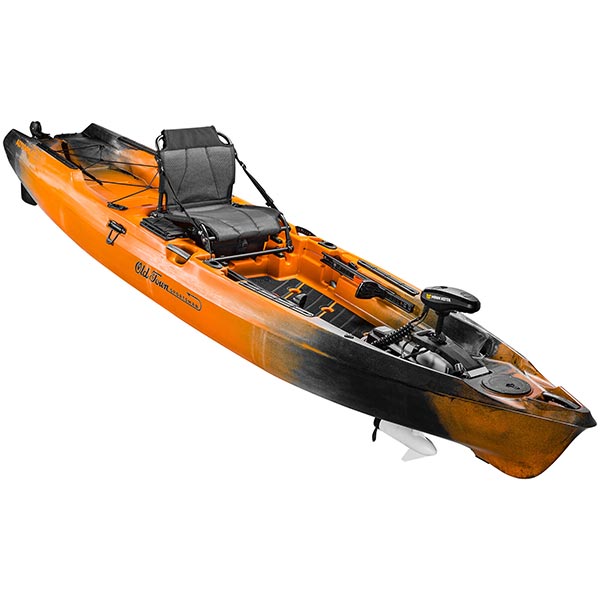
Sit-on-top Fishing Kayak

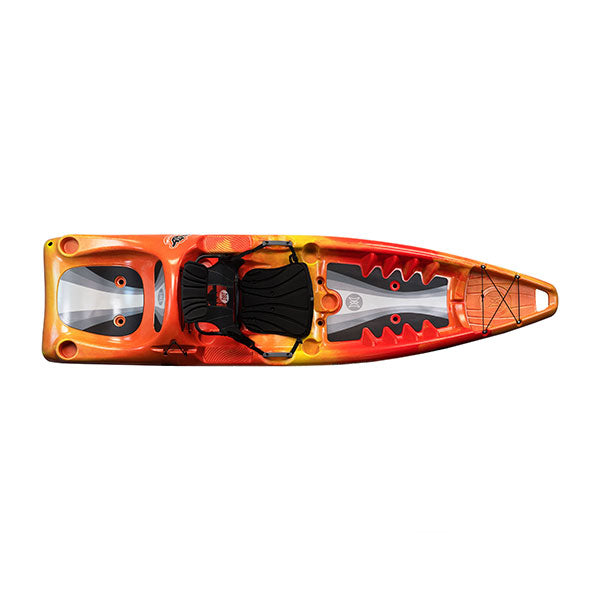
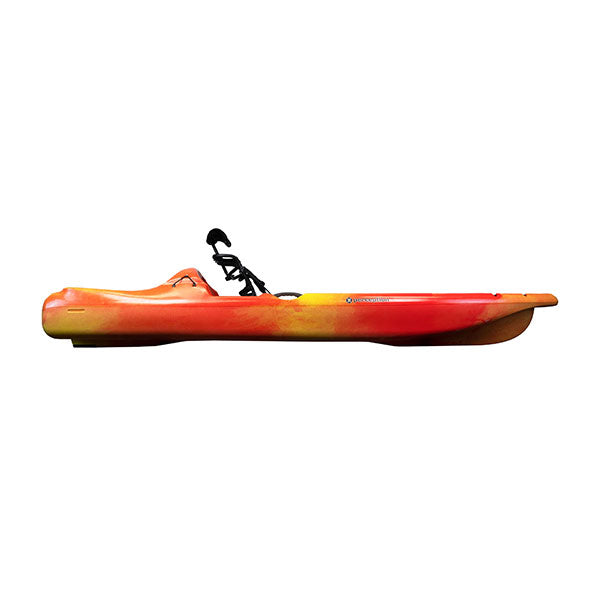
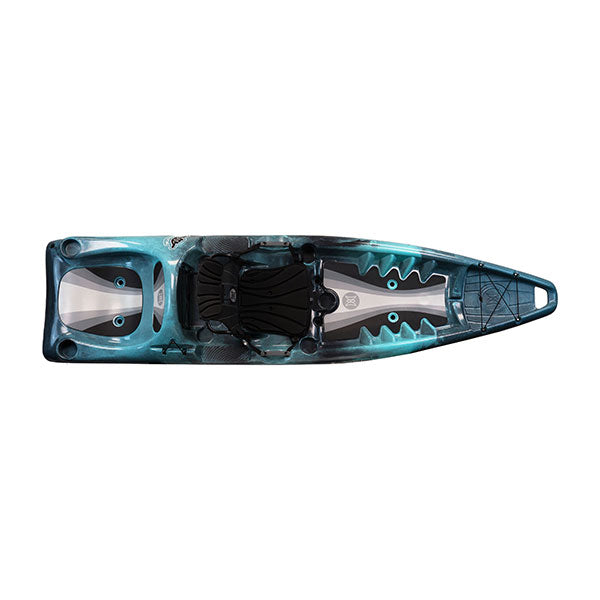
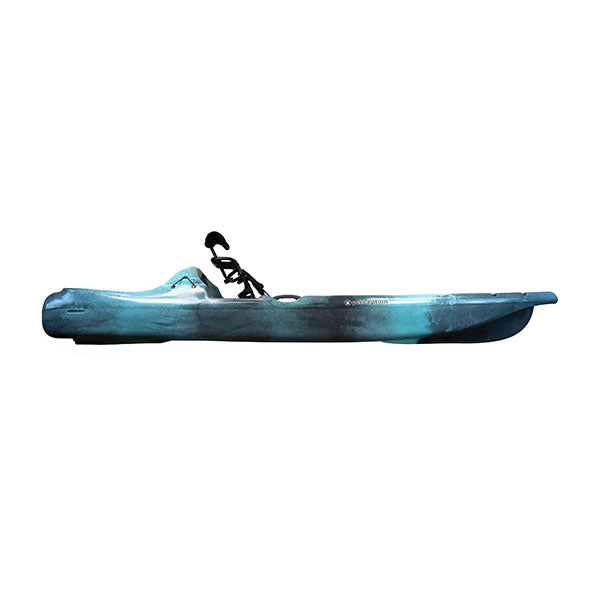
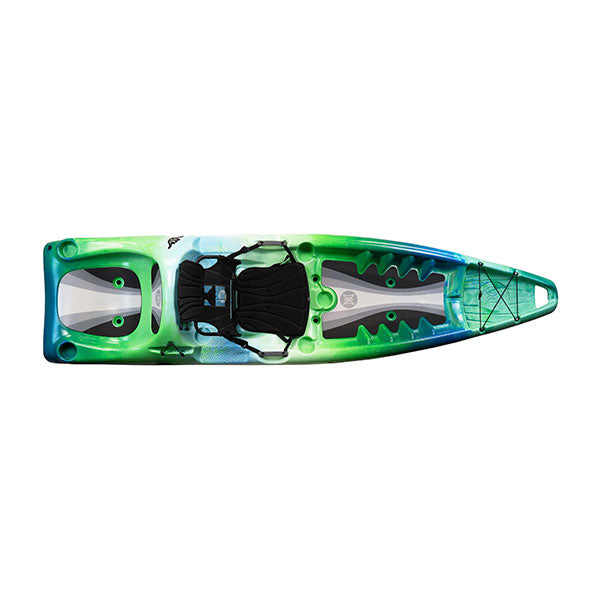
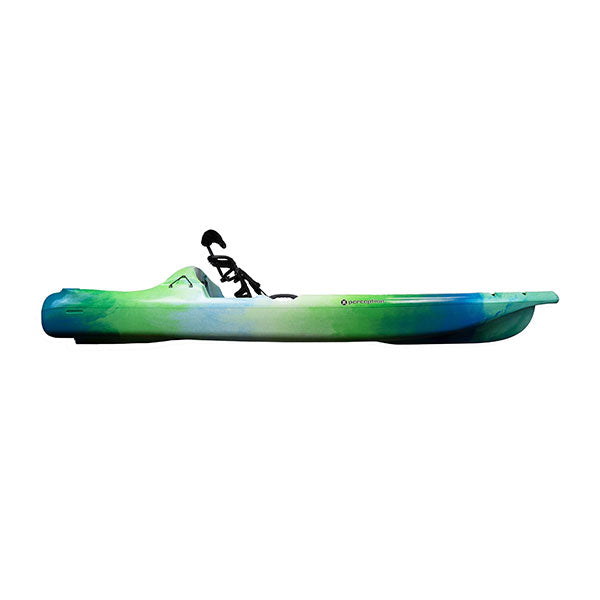
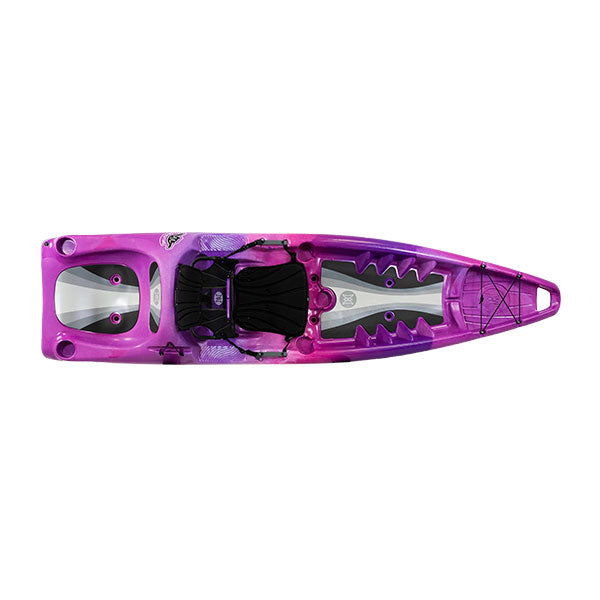
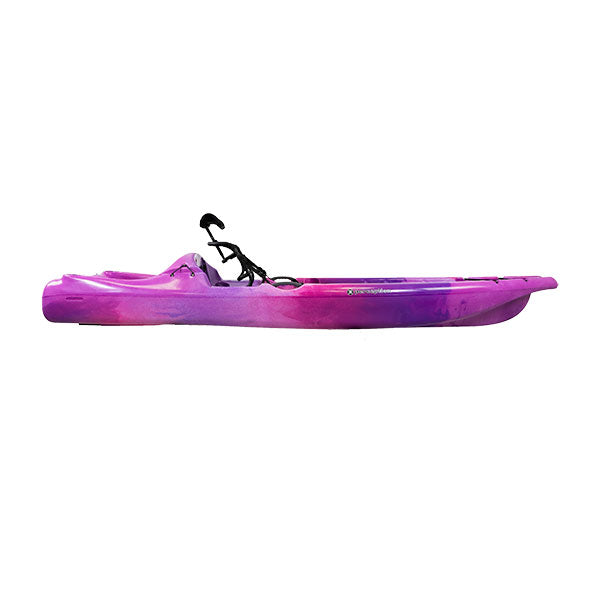
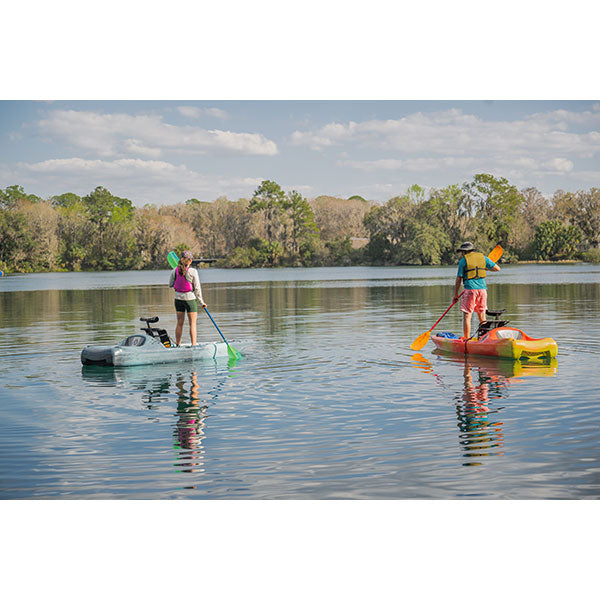
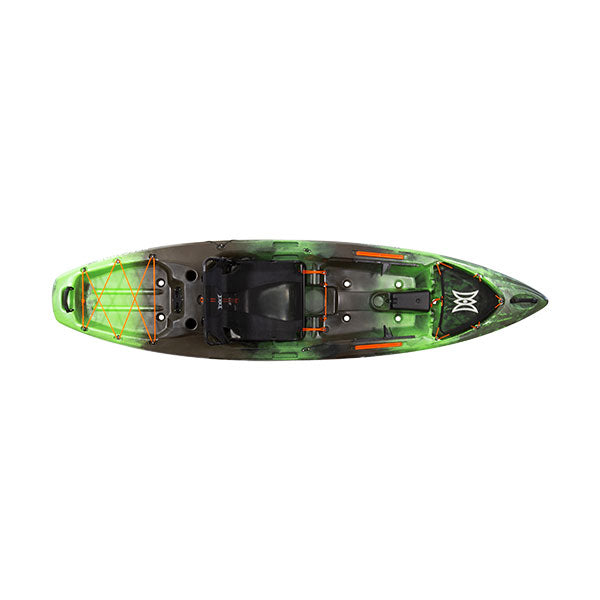
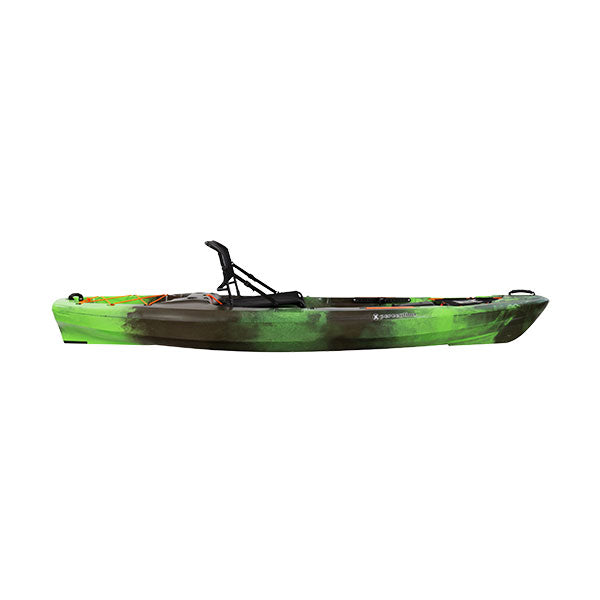
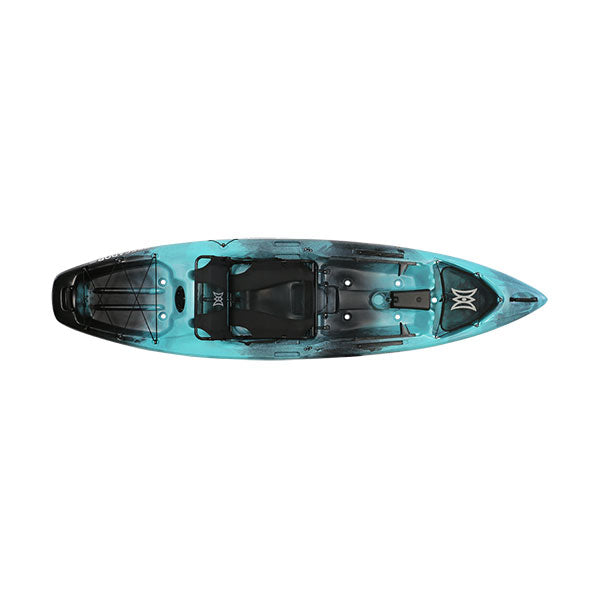
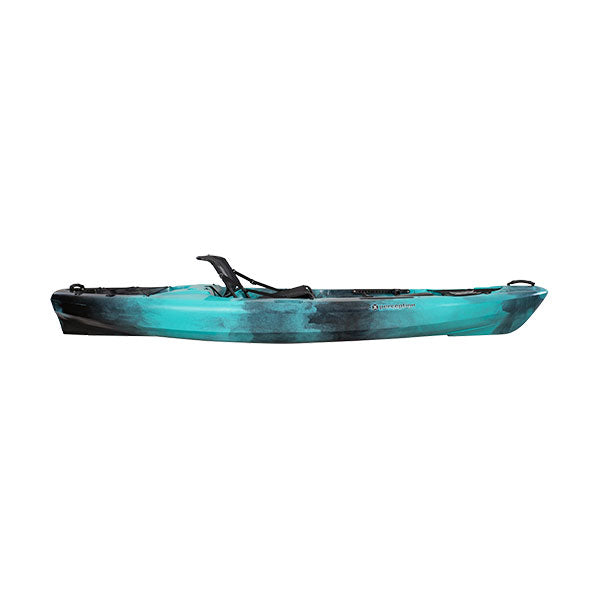
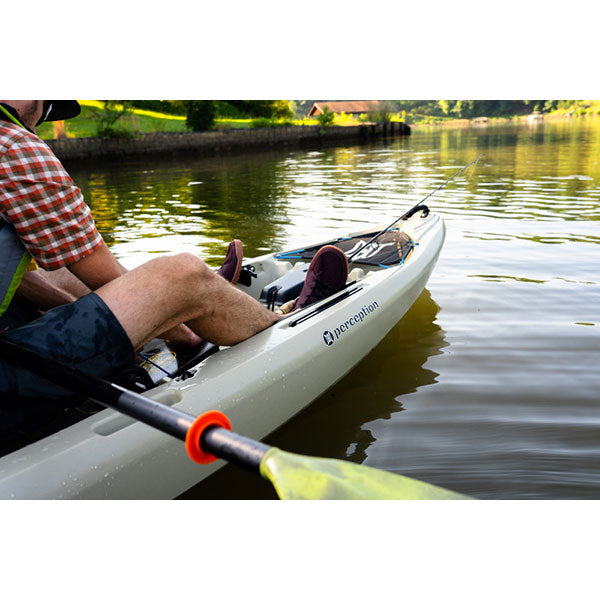
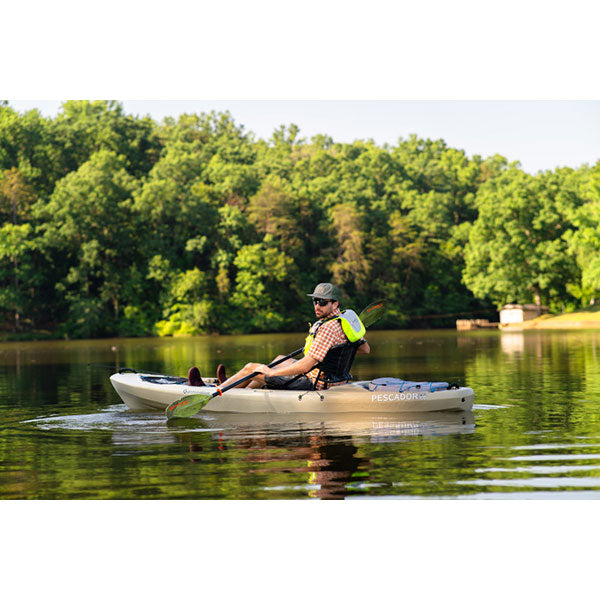
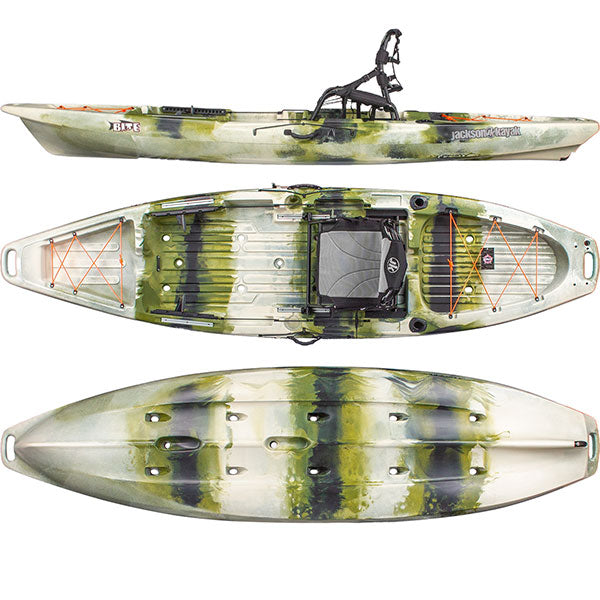
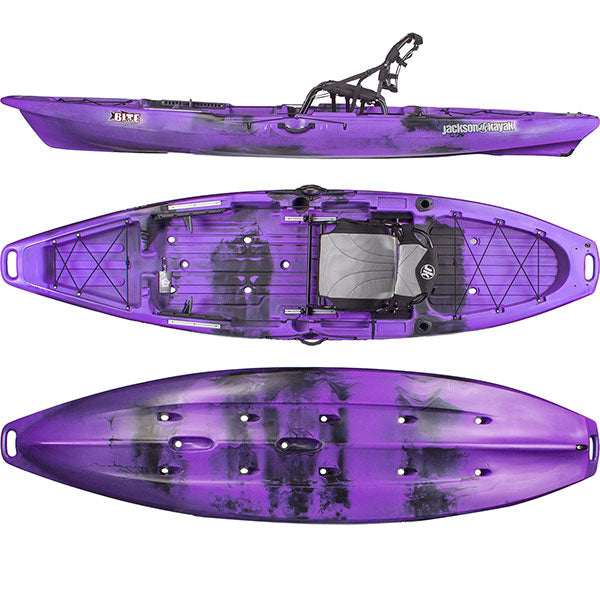
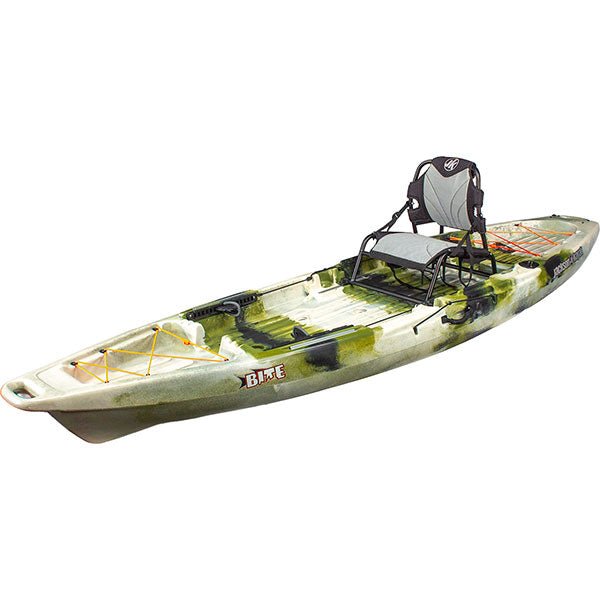
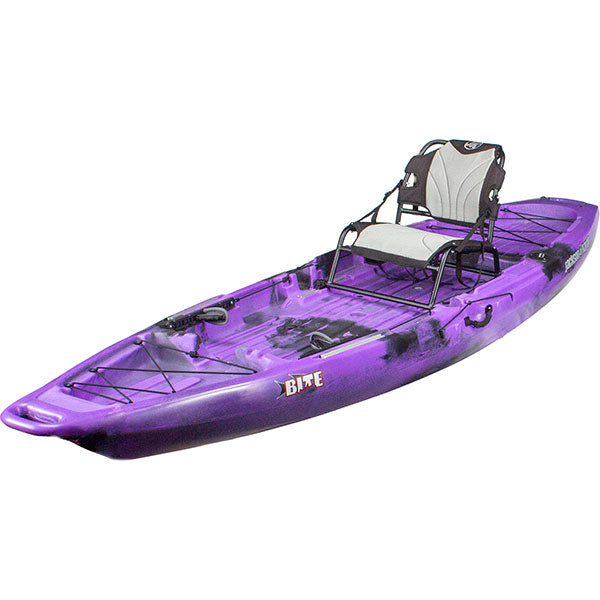
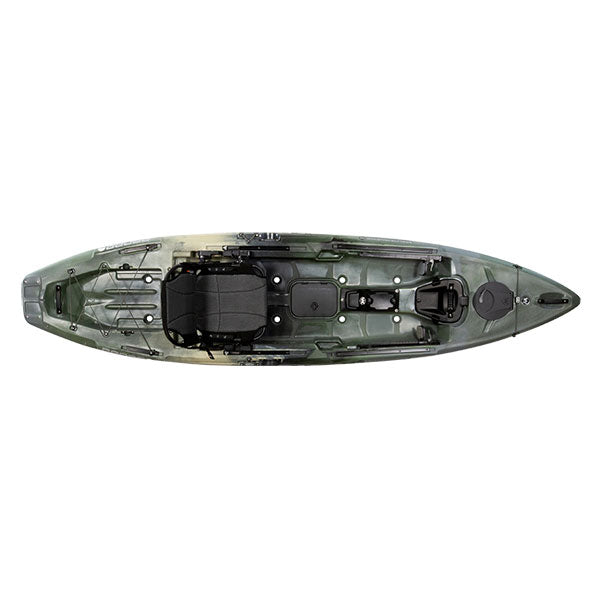
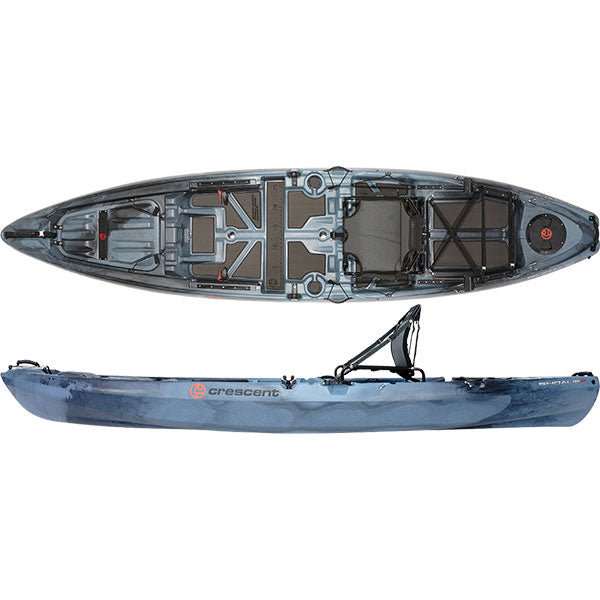
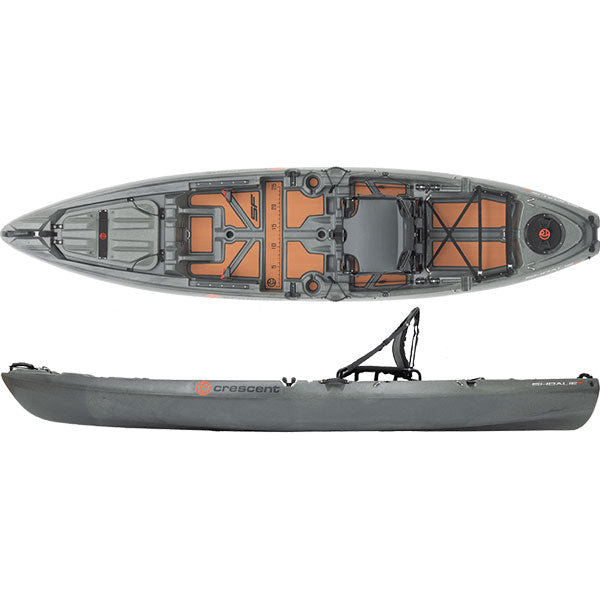
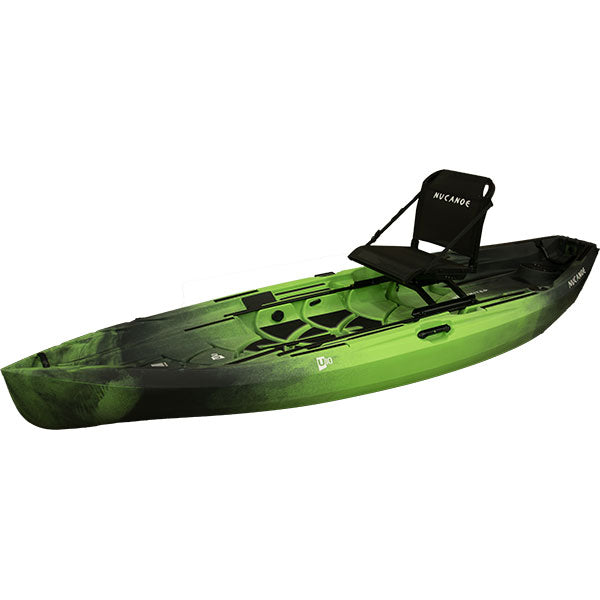
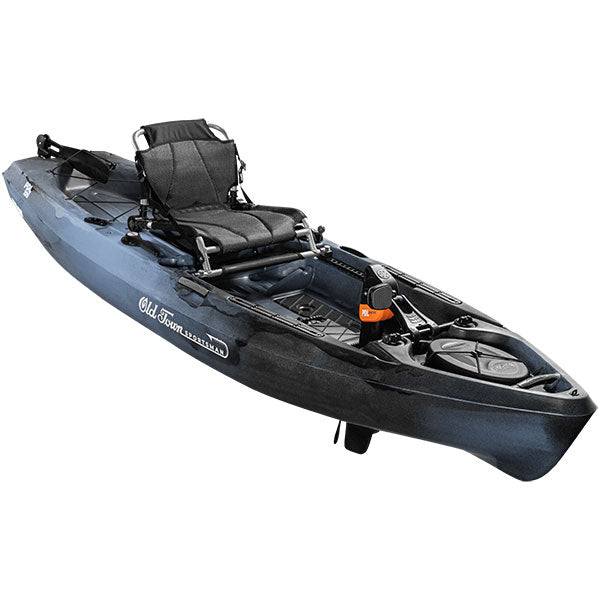
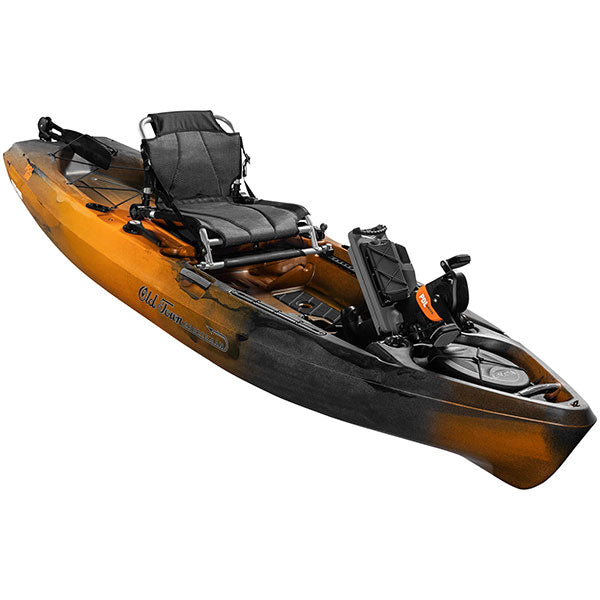
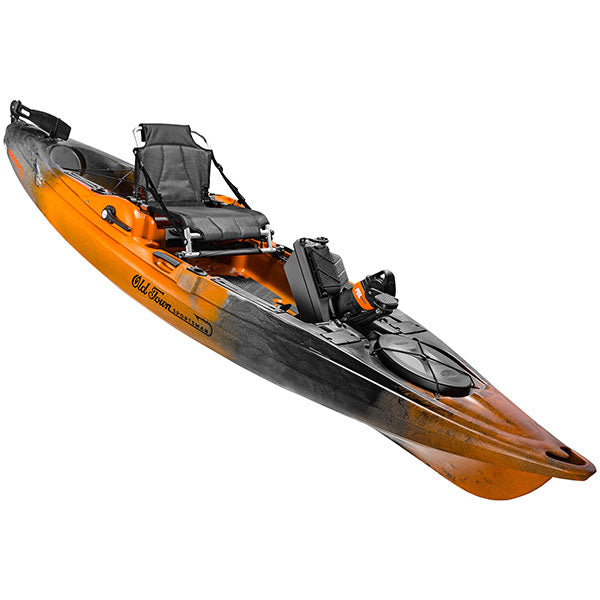
A sit-on-top fishing kayak features an open deck where the paddler sits on top of the kayak rather than inside a cockpit. These kayaks are typically self-draining, with scupper holes to allow water to flow out, making them ideal for warm-weather fishing and easy re-entry if you capsize.


Key Differences Between Sit-In and Sit-On-Top Fishing Kayaks


Feature

Sit-In Fishing Kayak

Sit-On-Top Fishing Kayak

Seating Position Inside an enclosed cockpit On top of an open deck
Stability Lower center of gravity, better primary stability Wider hull, better secondary stability
Weather Protection Better protection from wind and water More exposed to elements
Self-Draining Requires bilge pump or sponge Scupper holes allow drainage
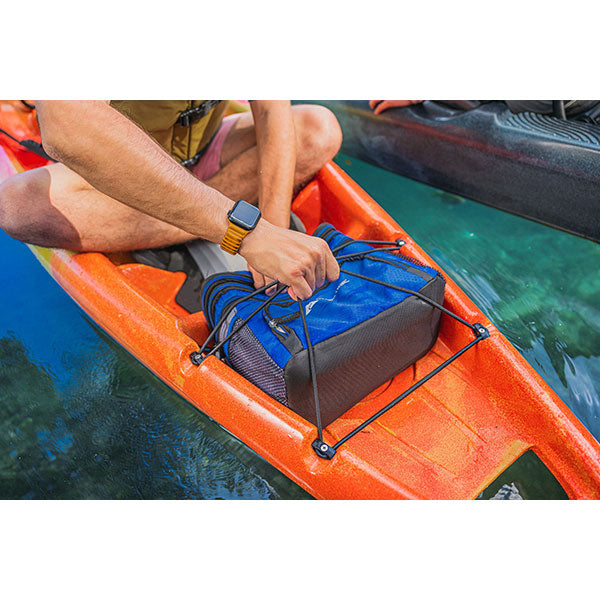
Storage Internal dry compartments Open storage areas with bungee cords
Ease of Entry & Exit Harder to get in/out, especially in deep water Easy to enter and re-enter
Fishing Suitability Better for calm waters and colder conditions Ideal for warm climates and saltwater fishing
Maneuverability Tracks well, handles better in rough water More stable but slower
Standing Capability Harder to stand due to enclosed cockpit Often designed for standing, great for casting


Why Choose a Sit-in Kayak

Pros of a Sit-in Kayak

  1. Better Weather Protection: Shields your lower body from wind, rain, and cold water.
  2. Lower Center of Gravity: Enhances primary stability, making paddling more efficient.
  3. Improved Tracking & Speed: Generally narrower and longer, allowing for smoother and faster movement in water.
  4. More Efficient Paddling: Requires less effort to move long distances compared to sit-on-top kayaks.
  5. Internal Storage: Dry compartments help keep gear safe from water exposure.
  6. Good for Rougher Waters: Handles choppy waters better due to its enclosed design.

Cons of a Sit-in Kayak

  1. Harder to Re-Enter in Deep Water: If flipped, getting back inside can be challenging.
  2. Less Freedom of Movement: Enclosed cockpit limits ease of casting, standing, or adjusting seating.
  3. Can Fill with Water: Without proper drainage, water can accumulate inside, requiring a bilge pump or sponge.
  4. Limited Airflow: Can get uncomfortably warm in hot weather.
  5. Less Stability for Standing: Harder to stand up (if not impossible) due to the lower seating position.

Best Water Conditions for a Sit-in Kayak

  1. Calm Lakes & Rivers: Smooth water enhances speed and efficiency.
  2. Cold Waters: Enclosed design helps retain warmth and protects from wind.
  3. Choppy or Windy Waters: Tracks better and offers better control in rougher waters.
  4. Long-distance Paddling: More efficient for covering large areas.

Sit-in Kayaks To Consider

Previous article Old Town's Newest Fishing Kayaks: Sportsman PDL 120 PRO, ePDL+ 120 PRO, Sonata 106 & More
Next article Lithium vs. Lead-Based Batteries: Understanding the Differences


Why Choose a

Sit-on-top Fishing Kayak

Pros of a Sit-On-Top Fishing Kayak

  1. Easy to Get On & Off: No enclosed cockpit, making entry and exit simple, even in deep water.
  2. Self-draining: Scupper holes allow water to drain automatically, preventing water buildup.
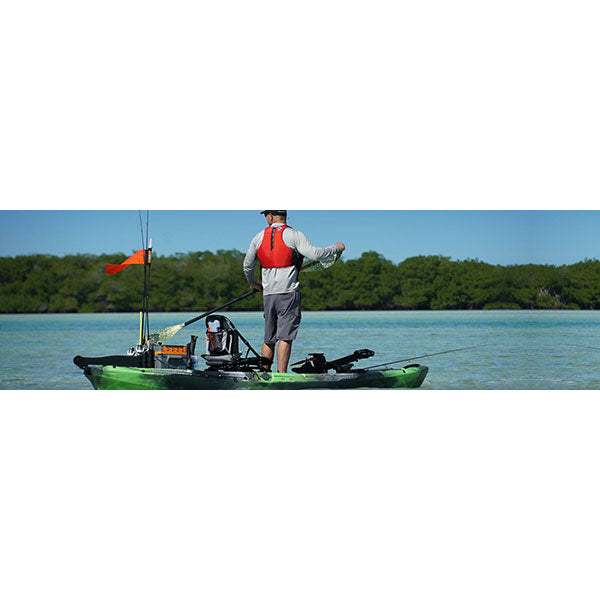
  3. More Stability for Standing: Many models are designed for standing, making casting easier.
  4. No Confined Space: No confined space, allowing for better organization and quick gear access.
  5. Internal Storage: Dry compartments help keep gear safe from water exposure.
  6. Generally More Stable and Less of a Risk to Tip: Wider hull design increases secondary stability, reducing the risk of tipping over.

Cons of a Sit-on-top Kayak

  1. More Exposure to the Elements: Wind, rain, and splashing water can make you wetter and colder.
  2. Slower Speeds: Wider hulls create more drag, making them slower than sit-in kayaks.
  3. Harder to Paddle Long Distances: Requires more effort due to increased resistance in the water.
  4. Less Efficient in Choppy Water: More prone to being affected by waves and wind.
  5. Less Dry Storage: Most storage is open or covered with bungee cords rather than internal compartments.
  6. More Expensive On Average: Sit-on-top fishing kayaks have a higher average cost due to their features and complexity of molding.

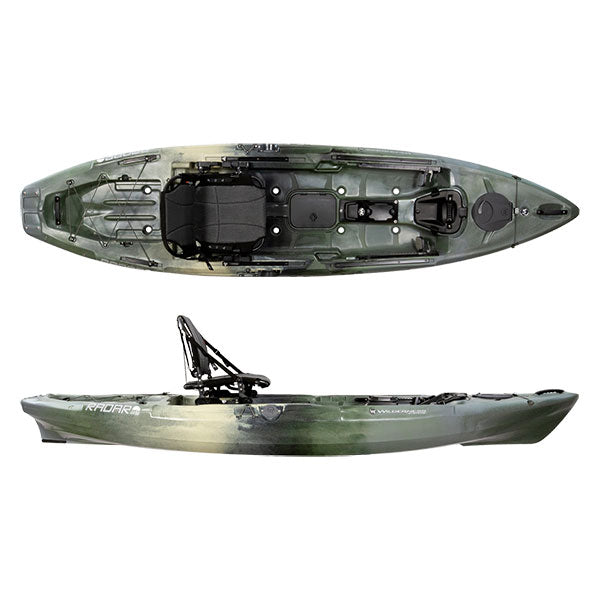
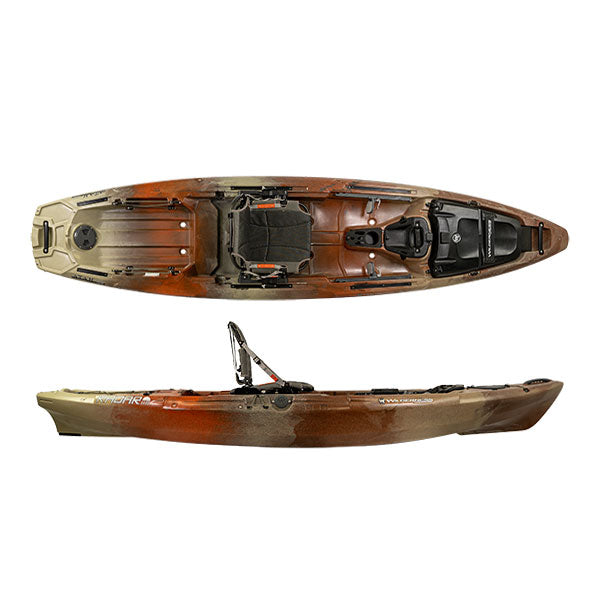
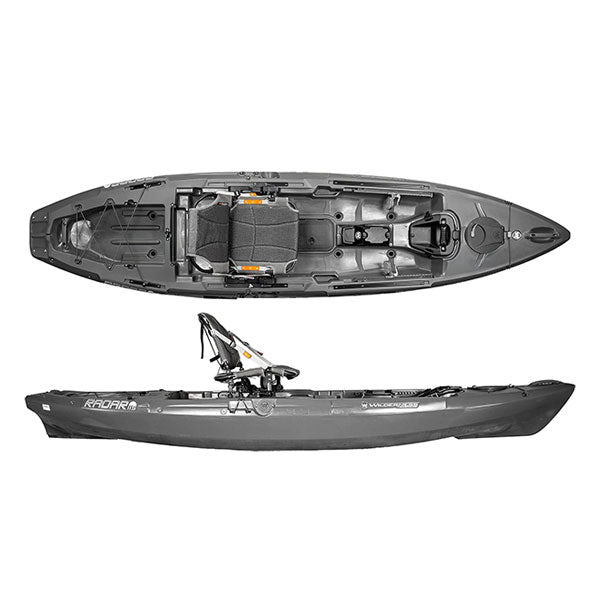
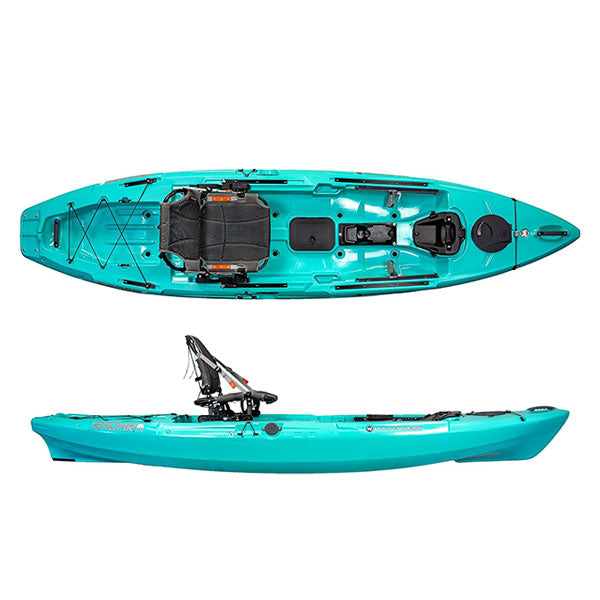
Sit-On-Top Fishing Kayaks

to Consider


Learn More From Our Blogs & Podcasts

Join Our Online Community of Anglers

It is easy to get wide eyes when dreaming of your perfect kayak setup. We see some of the craziest setups around in our line of work. But, those kinds of advanced setups with all the bells & whistles are not necessary for everyone. Sometimes, it is easier to take fellow kayakers' word for it rather than a retailers. That's why we created the Kayak Anglers Resource - a community of kayak anglers who share their experiences, ask questions and give honest reviews and assessments of kayaks and accessories. We can share our expertise until we are blue in the face, but a fellow anglers words often mean more.

Here a few great examples of how kayak anglers are helping other kayak anglers make better decisions on their purchases:

Follow & Subscribe to Our Social Channels

Blog posts

  • How to determine the right size and type of kayak for your needs

    How to determine the right size and type of kayak for your needs
    July 23, 2026 Justin McClanahan

    Choosing a fishing kayak? Compare hull shapes, stability, length, paddle vs. pedal vs. motor options, and match your kayak to the water you fish. We also breakdown primary vs. secondary stability as well as which kayak lengths and hull shapes are best for which types of water. 

    Read now
  • Best Kayak Fishing Motors for 2026

    Best Kayak Fishing Motors for 2026
    June 25, 2026 Justin McClanahan

    Whether you fish calm lakes, winding rivers, or structure-heavy bass water, choosing the right kayak motor changes everything about your time on the water. This guide breaks down the top fishing kayak motors in 2026 by type — stern mount, bow mount, and hand-tiller — covering real-world performance, installation, cost, boat control, and ease of operation for every major motor category. We also cover the Bixpy K-1 system, a uniquely versatile motor that adapts to stern, tiller, and pedal drive configurations. Backed by years of on-the-water experience and feedback from thousands of kayak anglers, this is the most complete kayak motor buying guide available in 2026.

    Read now
  • How to Stay Safe Kayak Fishing Upriver With a Motor

    How to Stay Safe Kayak Fishing Upriver With a Motor
    June 10, 2026 Justin McClanahan

    River kayaking always adds a heightened sense of risk. You need extra gear, an increased understanding of paddle techniques and more awareness of your surroundings at all times. These risks become even more elevated when using motors to move upriver. Here is how to stay safer on the river when using motors.

    Read now