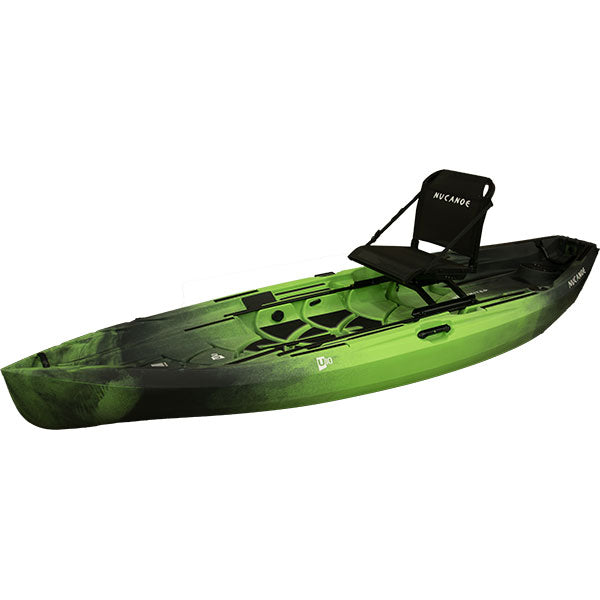
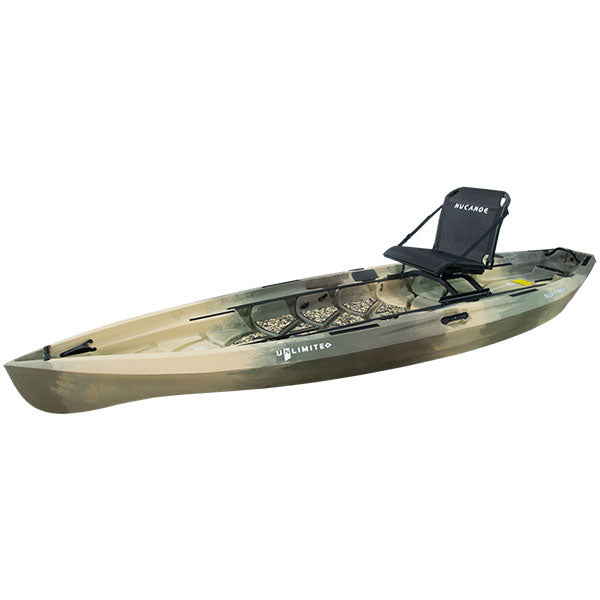
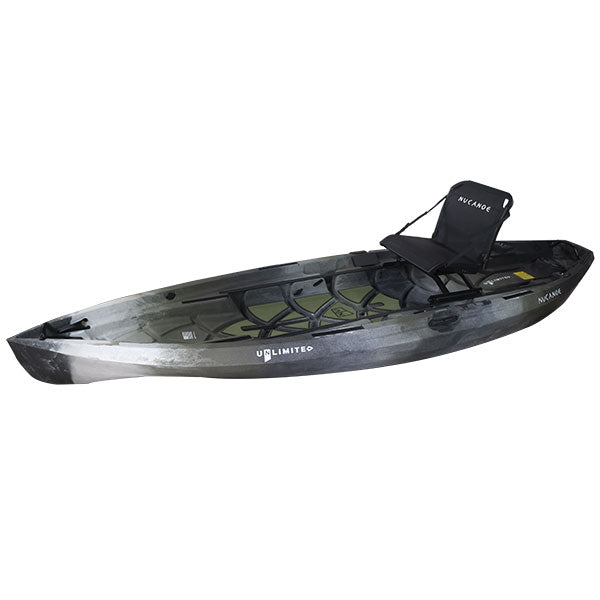
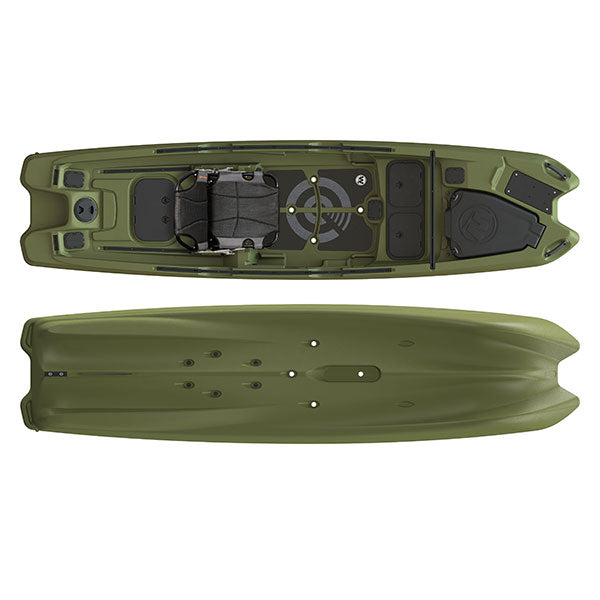
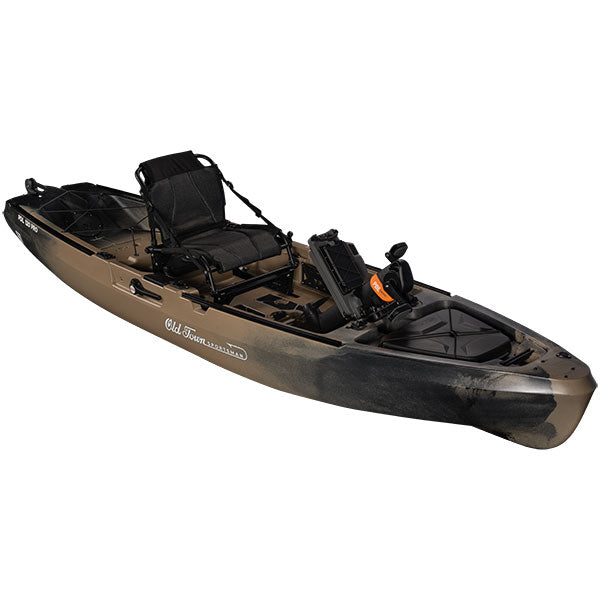
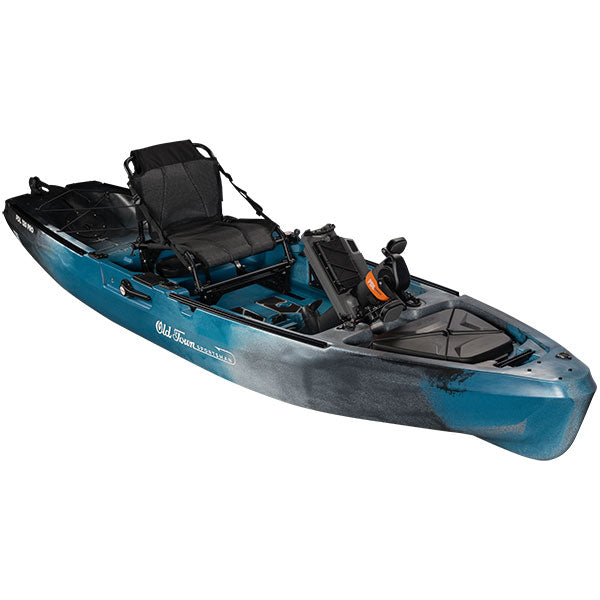
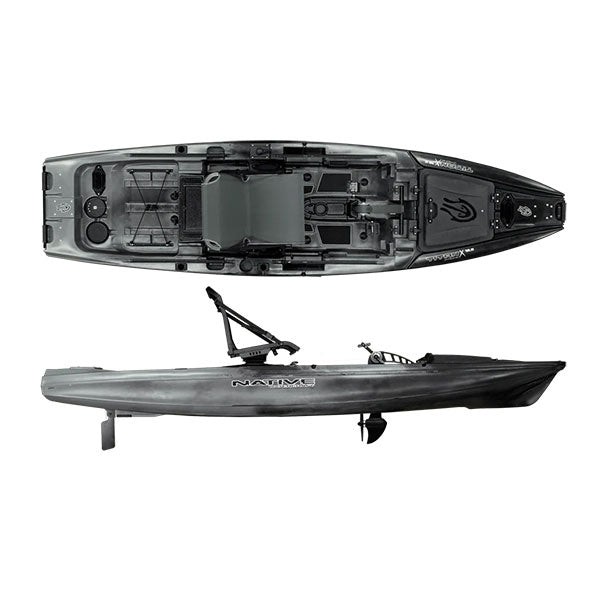
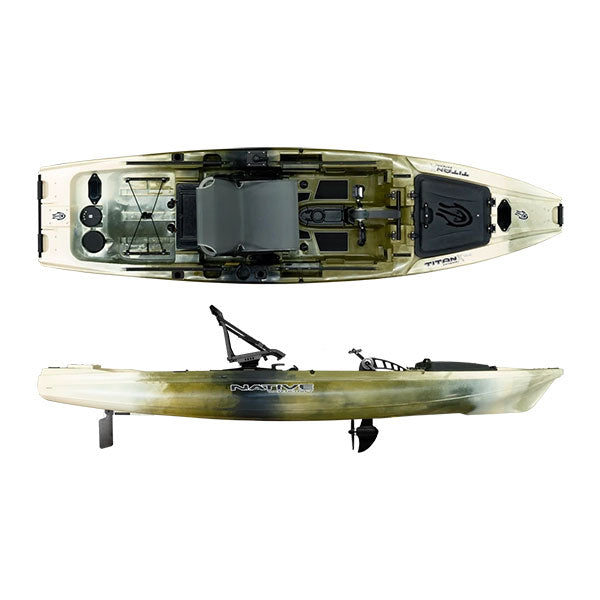
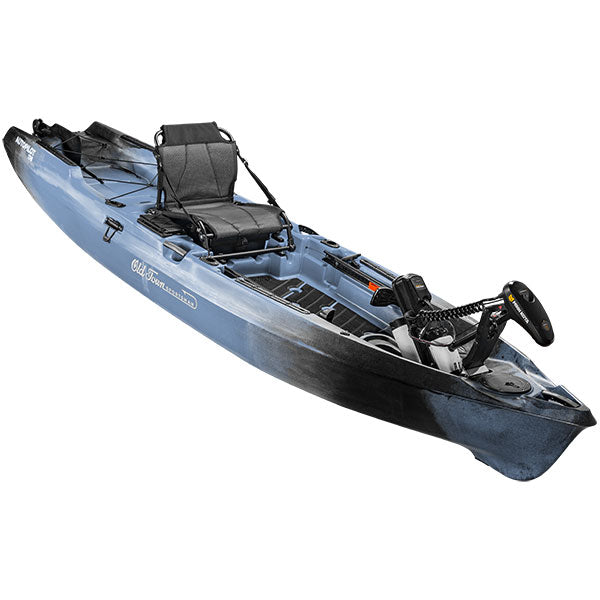
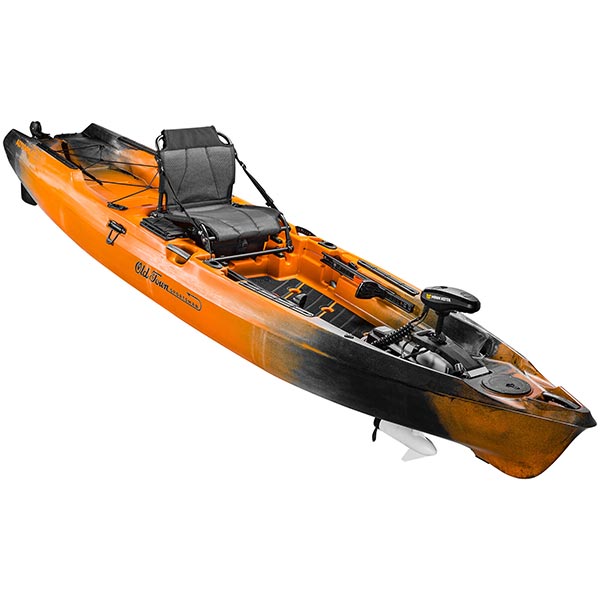
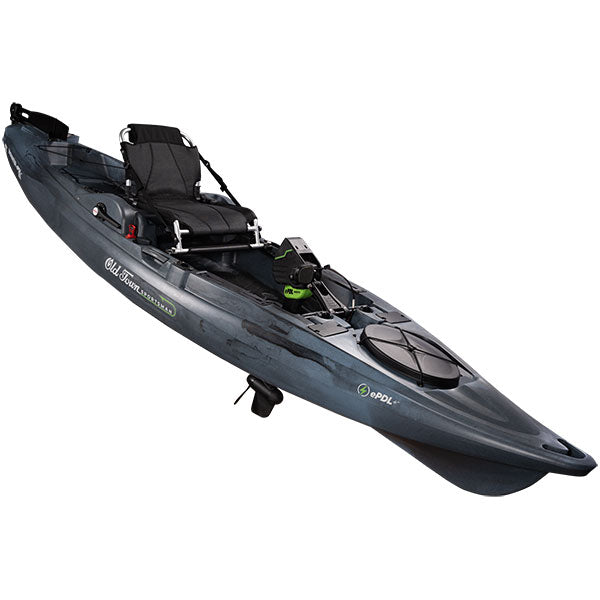
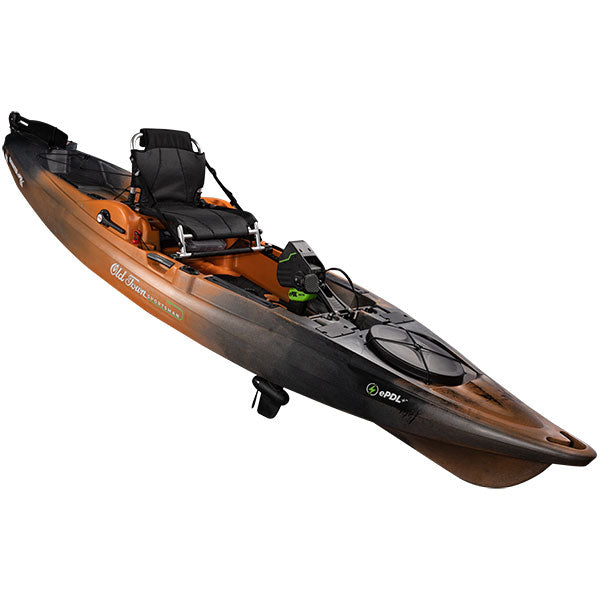
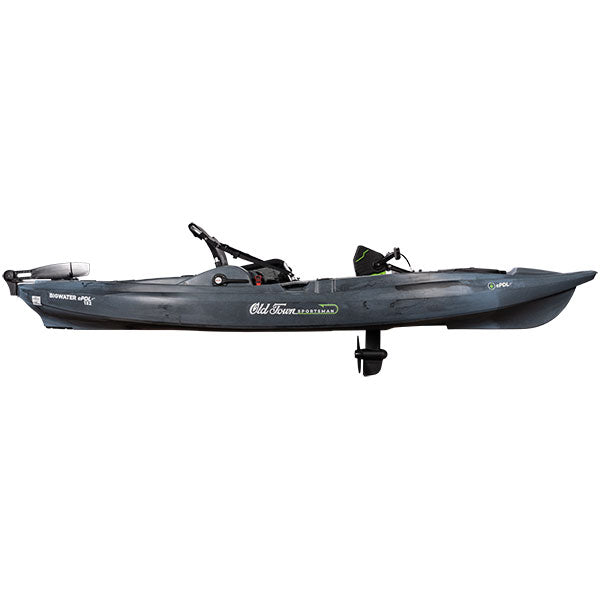
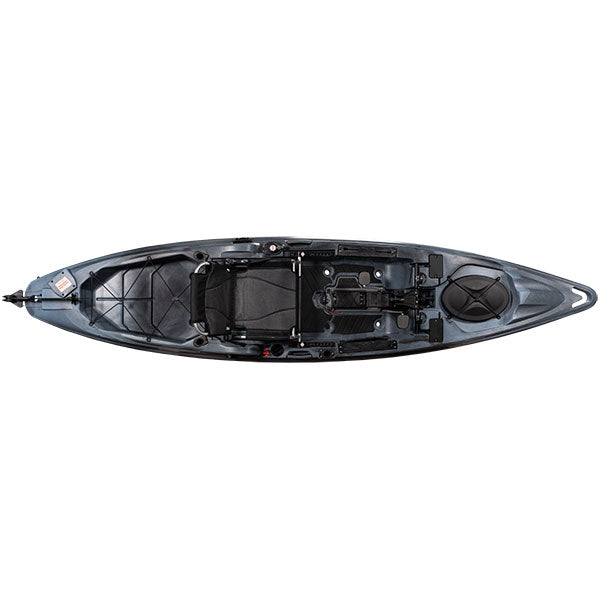
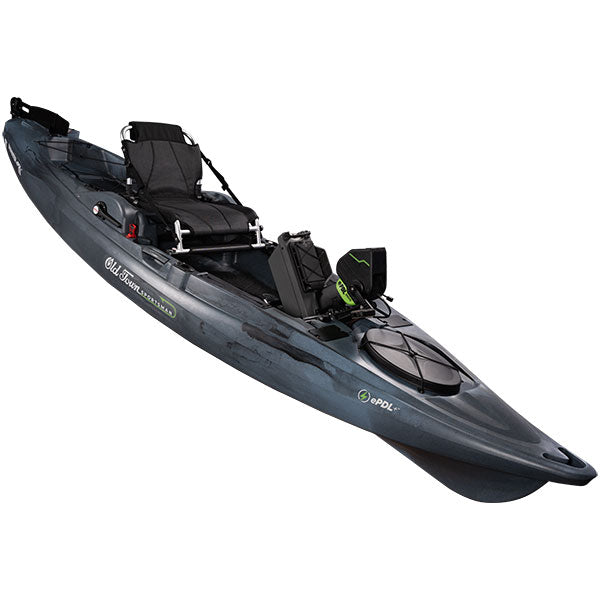
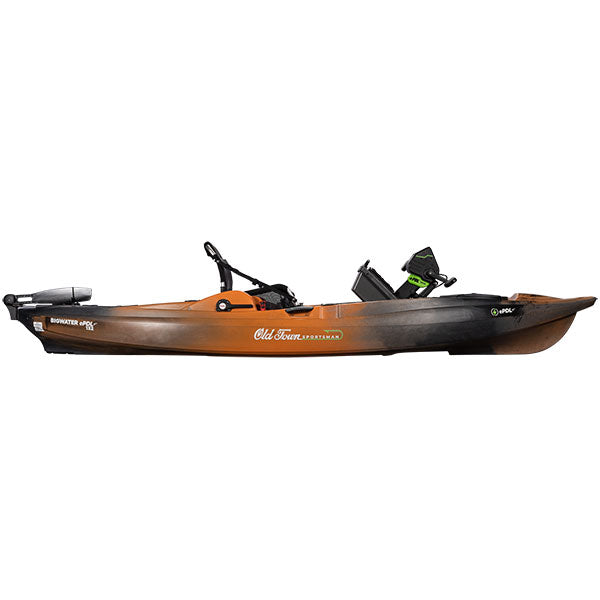
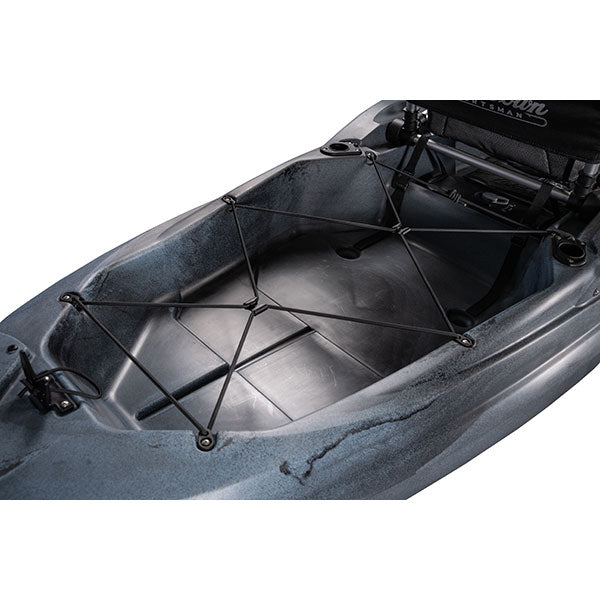
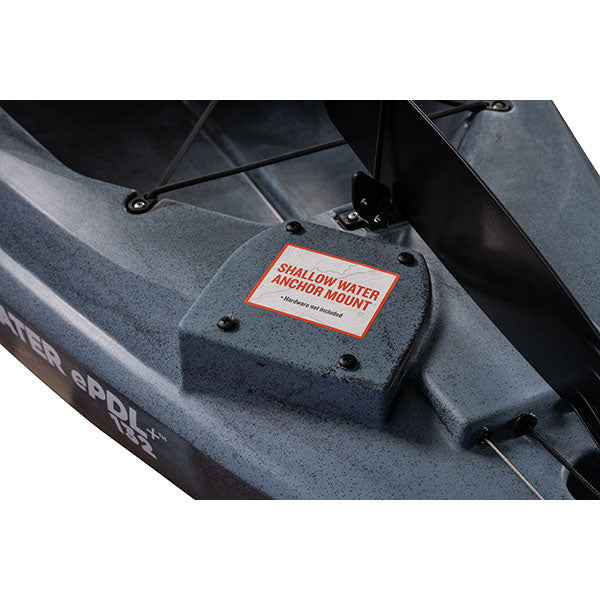
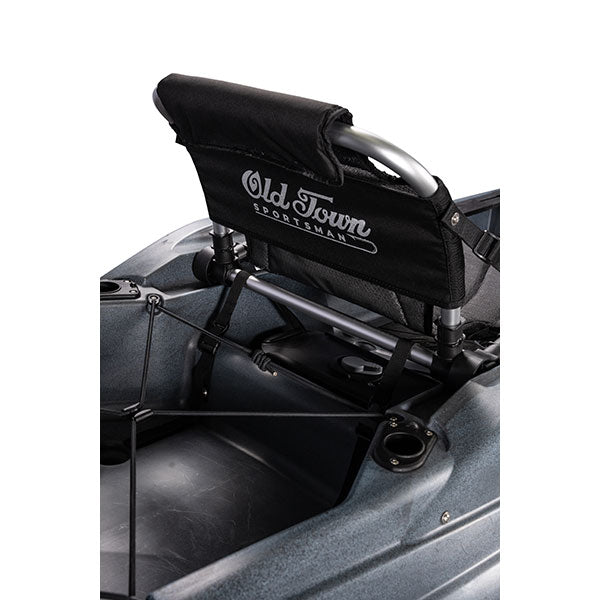
What are the best fishing kayaks for big and tall people? We break down the most stable fishing kayaks with high weight capacities for the big and tall anglers. Whether you are tall or thick boned, there is a fishing kayak right for you. In a 2024 Kayak Anglers Resource podcast, Travis Randall and JT McClanahan broke down the most important factors to consider when searching for your kayak and their six best fishing kayaks for the big and tall.
In that episode they discussed the important kayak terminology and key factors we considered when ranking our fishing kayaks. Since that original podcast there have been a few key additions we will include below!
Here are a few things we looked at that we will explain in more detail below:
- Weight Capacity
- Kayak Length
- Kayak Width
- Hull Shape
- Seat Height
Primary & Secondary Stability Defined
Primary Stability
This refers to how stable a kayak feels when you're sitting flat on calm water. A kayak with good primary stability will feel steady and balanced, making it easier to get in and out of and to paddle in a straight line. Think of it as the initial stability of the kayak when you're just sitting still.
Secondary Stability
Secondary stability comes into play when the kayak is tilted or leaned to one side. It's about how stable the kayak feels when it's leaned over, such as when you're making a turn or dealing with choppy water. A kayak with good secondary stability will resist tipping over even when it's tilted at a significant angle.
In a fishing kayak, both primary and secondary stability are crucial. Good primary stability provides a stable platform for activities like casting, reeling in fish, or standing up to get a better view. Meanwhile, good secondary stability ensures that the kayak remains stable and won't suddenly tip over if you lean to the side while fighting a fish or navigating rough waters. Balancing these two types of stability is key to choosing a kayak that suits your fishing needs and preferences.
Two Main Hull Shapes for Fishing Kayaks
V-shape Hull
Like its name, a V-shaped hull comes to a deep V from the sides of the kayak to the hull point. The defining characteristic of V-shape hull kayaks is straight line speed. Due to the V shape, these kayaks ‘knife’ and ‘cut’ their way through the water with minimal drag. When taking on rougher water, this kayak hull shape performs well by knifing its way through choppy water. Paddlers looking to reach higher speeds with less effort and excellent tracking will like kayaks with this hull shape.
What these hulls offer in speed and efficiency they sacrifice in stability in calmer water. If you are new to kayaks, you may find that v-shape kayaks feel ‘tippy’ when you first sit in them. Much like riding a bike, these types of kayaks feel more stable as you gain more speed. If you will be fishing water that is typically calm or has very little chop, a V-shaped hull may not be for you. V-shape kayaks are also more difficult to turn.
Pros:
- Moves through rougher water more easily
- Fast and easier to paddle
- Tracks and maintains its line very well
- Great for longer trips that require lots of paddling
Cons:
- Less stable when at rest and in calm water
- Does not turn easily
- Difficult to stand and fish
Poontoon-style Hull
As you probably gathered, the pontoon-style hull mimics that of a pontoon boat. Pontoon hulls are sometimes also known as ‘tunnel’ hulls because underneath they have two channels for the water to move through. Pontoon hulls are popular on fishing kayaks because, much like a pontoon boat, they offer incredible stability. Many anglers prefer to stand and cast from their fishing kayak. With a pontoon-style hull and more stability, anglers can stand with more confidence.
To obtain that level of stability, however, pontoon-style hulls sacrifice speed and precise maneuverability. Like a pontoon boat, pontoon-style kayaks take an extra paddle stroke or longer pedal stroke to turn.
Pontoon-style hulls are good all-around fishing kayaks that provide stability in multiple water conditions such as rivers, lakes and open water. They can handle bigger waves, but they sacrifice speed and do not ‘knife’ through rough water as well as a V-shaped hull.
Pros:
- Extremely stable
- Great for dropping anchor or casting in one spot
- Can stand and fish in most pontoon-style kayaks
- Great for calm rivers, lakes, streams and protected coastal bays
Cons:
- Not known for top speeds
- Moderate tracking, but not as good as V-shape hulls
- Handles waves when still, but doesn't 'knife' through rough water like V-shapes
- Requires more effort to paddle when relocating, especially in current or choppy waters
Kayak Attributes to Consider for Bigger Anglers
Weight Capacity
This is straight-forward. If you are a larger angler, one of the most important attributes to look at is the weight capacity of kayak. One of the biggest reasons a kayak can feel unstable is because the weight capacity has either been exceeded or is being pushed far too close to the max. Exceeding the weight capacity alters the primary and secondary stability of a kayak.
An angler must consider more than what a kayak's max capacity is rated at. There is a general rule of thumb that says you should take what the listed max capacity is and times it by 70% to get your usable capacity. The 70% rule is not a definitive rule, but can help keep you in the desired weight range to maintain your stability and maneuverability. For example, if a kayak's weight capacity is 500lbs, you'd want to try and keep your total weight (angler and gear) in the 350-375lb range.
Considering the 70% "rule," you'll want to keep your own weight as well as your gear weight in mind when searching for the right fishing kayak for you.
Kayak Length
Kayak length does not always equal stability. The reason we mention length is primarily for taller anglers. A longer kayak may provide more cockpit space for those of you who have longer legs and torsos.
When kayak length does play a role in stabilty is when taking on waves or wakes. Longer kayaks typically cut through waves and wakes a bit better than shorter kayaks. This is also when kayak hull shape comes back into play. The longer V-shaped kayaks will knife through current and waves far better than pontoon-style kayaks.
Longer kayaks do not always equal more cockpit space either. For example, the cockpit space of an Old Town Sportsman 106 vs. 120 is not that different. The extra length gives more bow & stern storage space. Talk with a dealer to learn if longer versions offer more space for your legs or not.
Kayak Width
Kayak width plays a bigger role in primary stability than kayak length does. When at rest, a wider kayak will feel more spacious and more stable. Wider kayaks are typically easier to stand and fish in than skinnier kayaks. As mentioned above, a narrower kayak with a V-shape hull will feel far more stable when in current or while moving.
A wider kayak will also offer more room to stretch out and more room for gear without the angler feeling as cramped.
Seat Height & Material
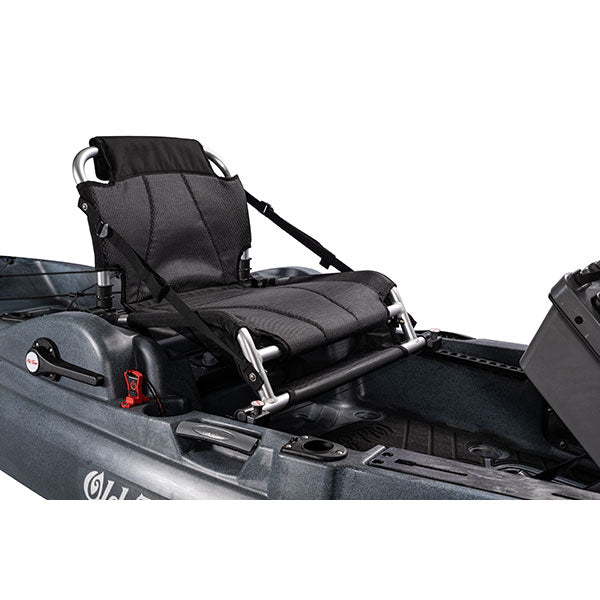
Perhaps one of the most overlooked attributes of a fishing kayak is the seat. However, your kayak seat may play the largest role in how long you are able to stay on the water and how much you enjoy your kayak experience. Having an uncomfortable seat, for the big, tall or small, will lead to frustration very quickly.
Heavier and taller kayak anglers need to look even closer at kayak seats when considering their purchase. Here are two main things to pay attention to:
- Height: An elevated seat is easier to get in and out of, easier to stand up from and easier to sit back down in while providing a better platform to cast and paddle from.
- Does it swivel? Not mayn kayaks on the market today have caught on to the swivel seat. But the ones that have get a bonus point for the big & tall angler. Swivel seats are typically elevated and can be turned to the side for entering and exiting a kayak. They also allow you to turn to your gear without twisting.
Best Fishing Kayaks for the Big & Tall Angler